SÁTRAT VERTEM ANYÁMBAN // I PUT UP A TENT IN MY MUM
Útmutató, ha kimásznál a Kárpát Gödörből
Guide, if you were to climb out of the Carpathian Pit.
Megmaradàsi gyakorlatok az anyaorszàg vadonjàban. Együttèlèsi formàk, gazembertelenítési eljárások, sàtorverèsi praktikàk.
Survival exercises in the wilderness of the motherland. Forms of coexistence, procedures for eliminating villains, and tent-setting practices.

SÁTRAT VERTEM ANYÁMBAN című kiállítás // I PUT UP A TENT IN MY MUM exhibition
2025. évi Smohay-díj // Smohay-prize 2025.
2026. szeptember 3. - november 15.
Szent István Múzeum, Országzászló tér 3. Székesfehérvár
kurátor/curator: Katalin Izinger
megnyitó szöveg/opening text: Hedvig Turai
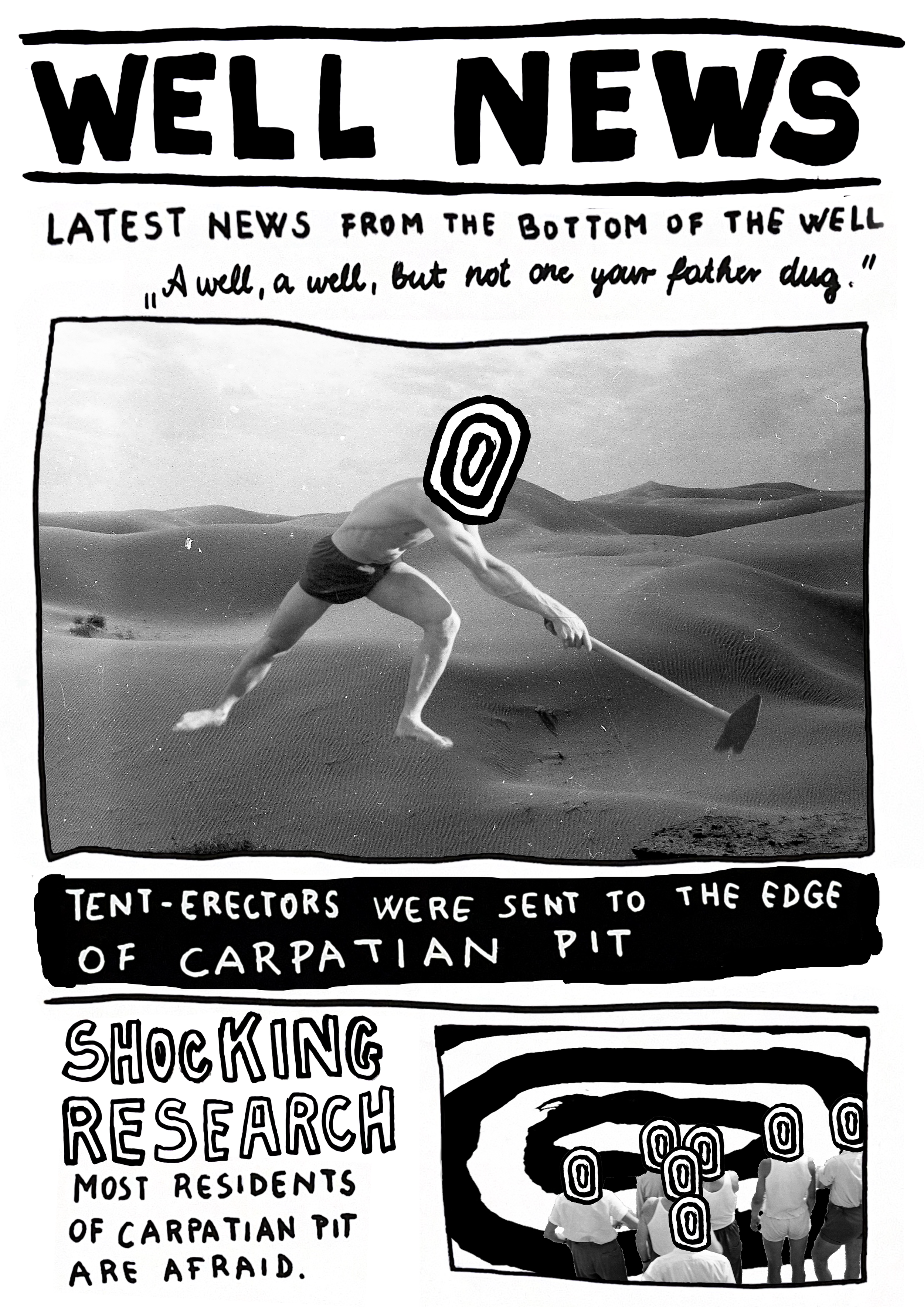
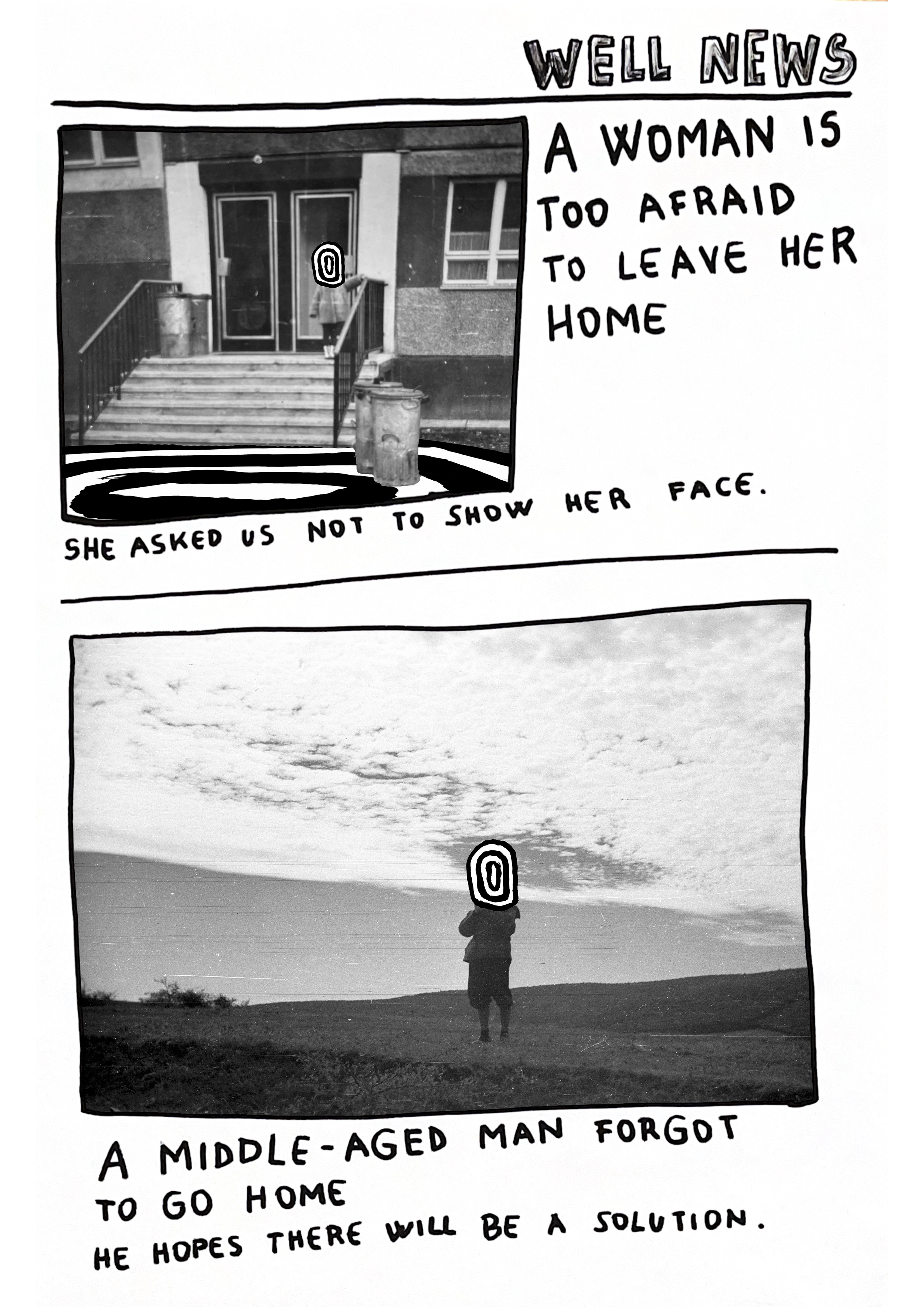
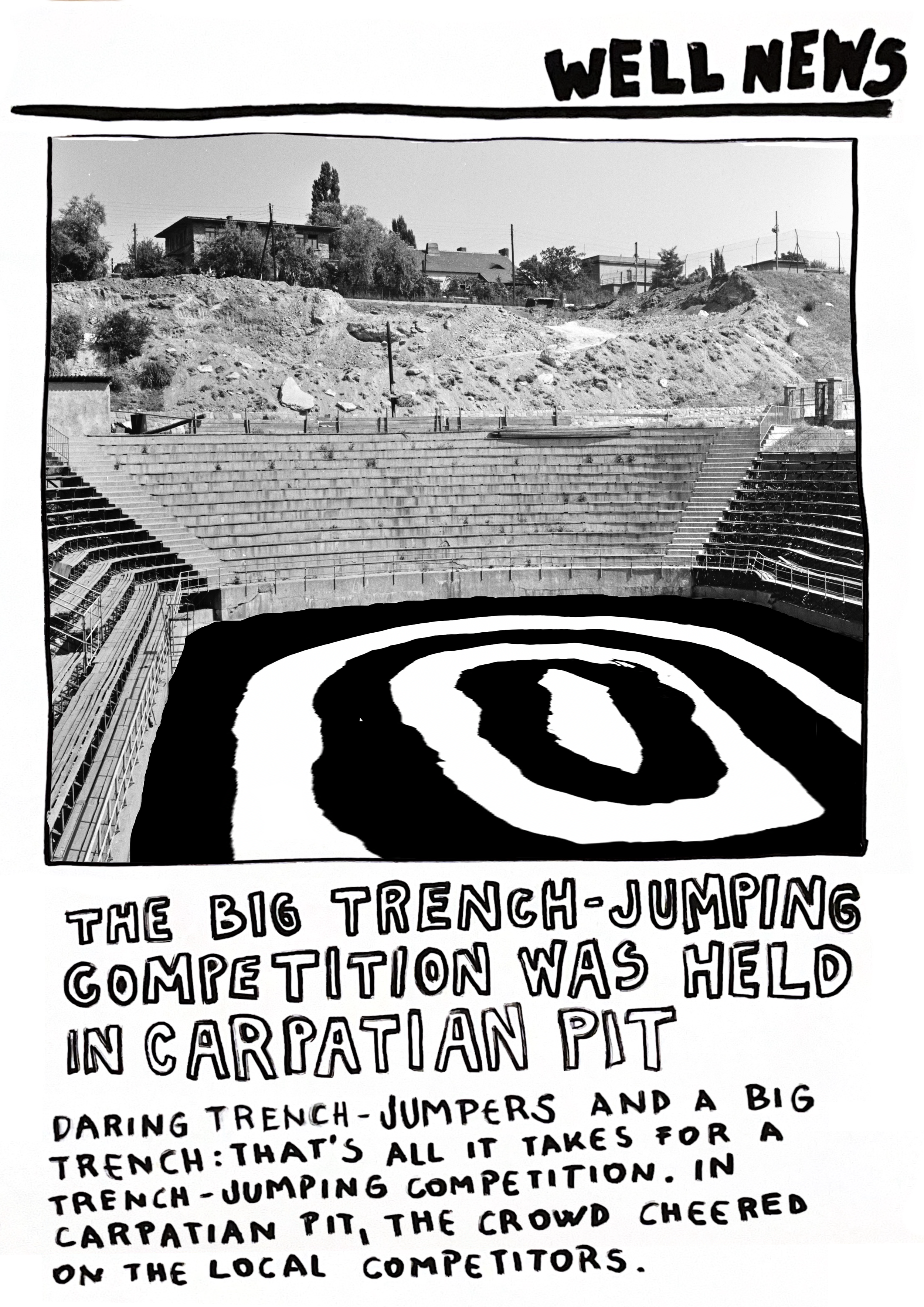
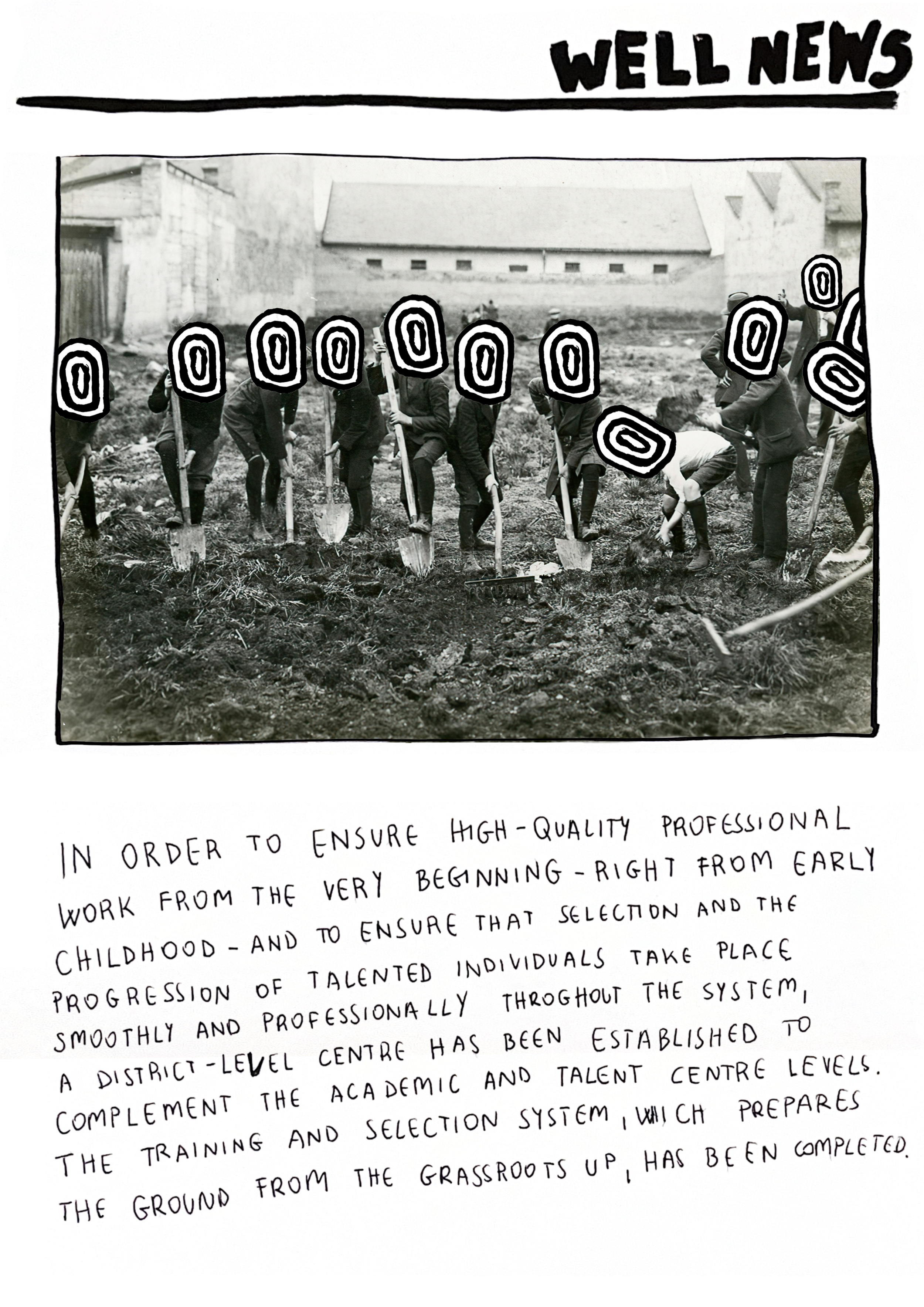
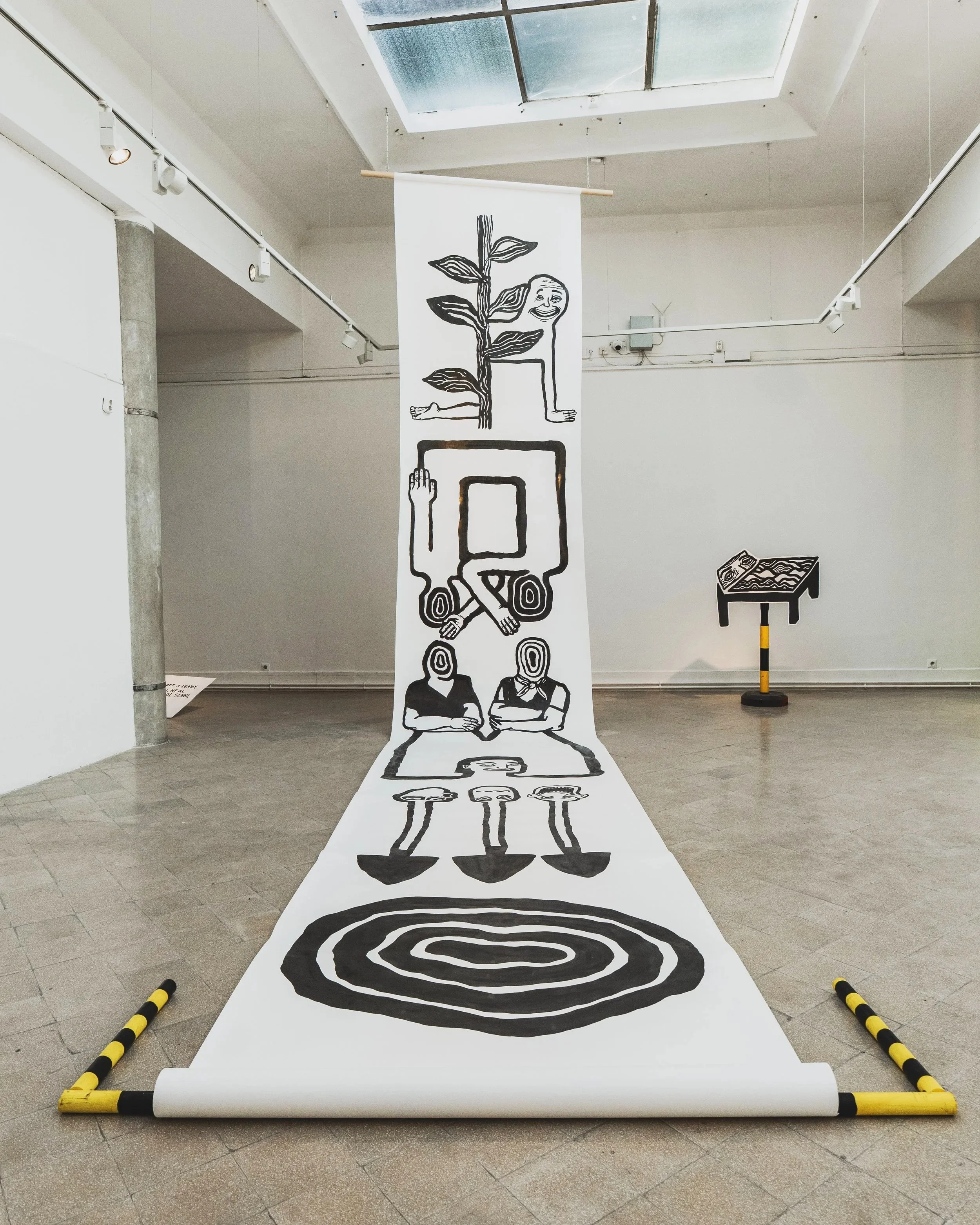
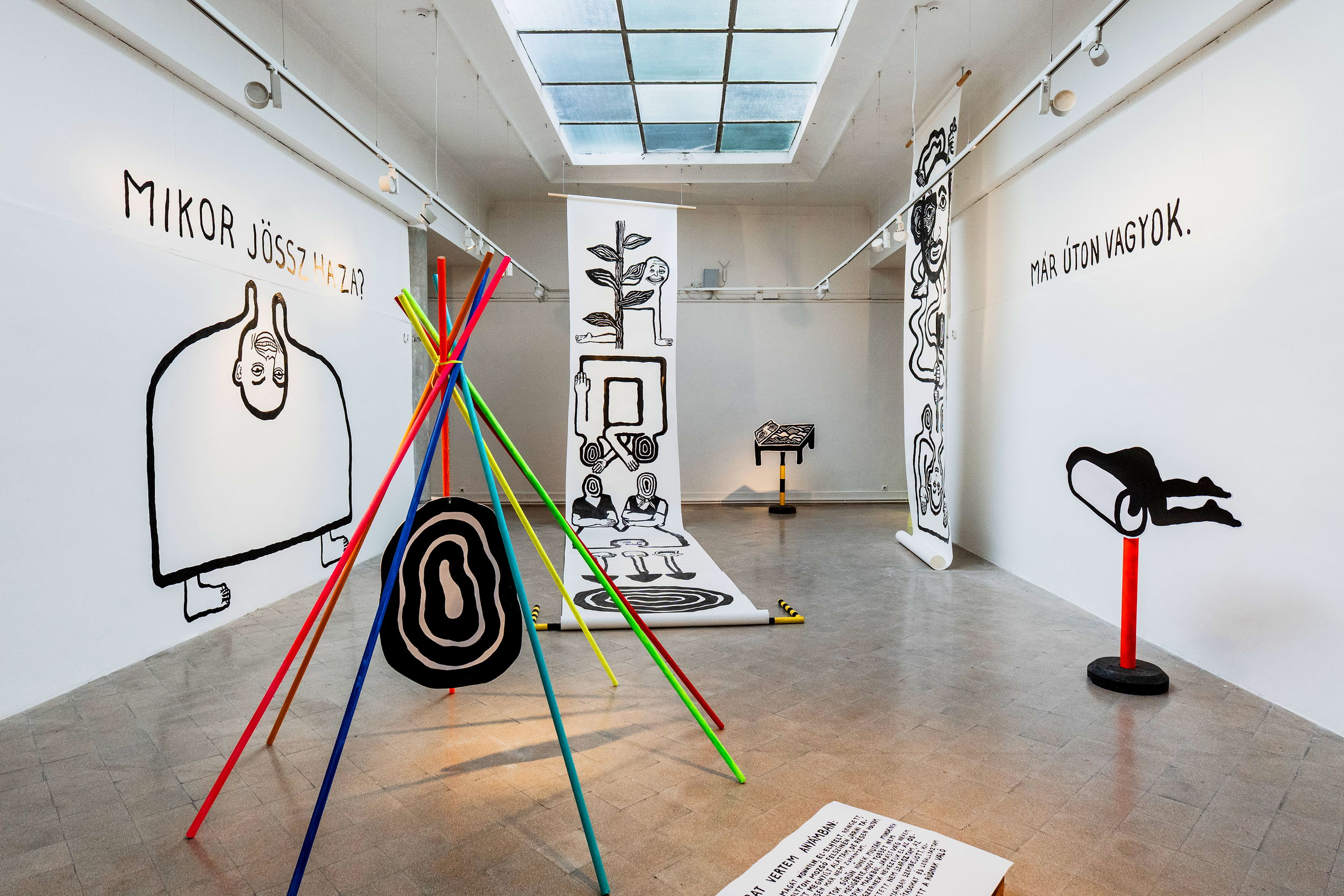
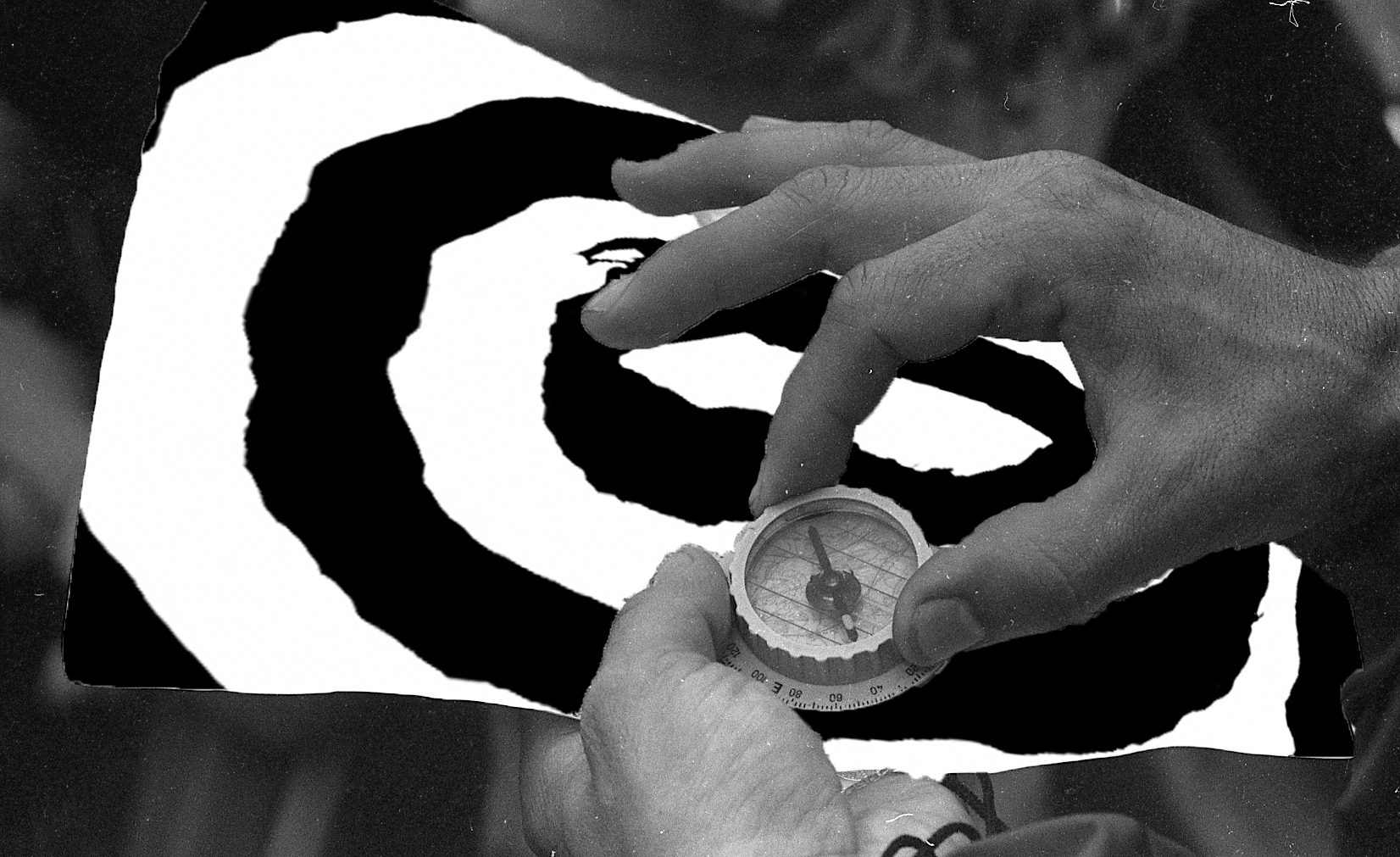
“I put up a tent in my mum” is a journey of self-discovery that functions not as a traditional travel guide, but as a map of both inner and outer spaces. Based on the pitted, dense, and grotesque reality of the Carpathian Basin, it explores how to survive in the domestic wilderness. It invites travelers who have reached the bottom of the pit on an adventure to discover practices that circumvent opression and methods of cooperation within the constricting yet sustaining environment represented by our own roots.”
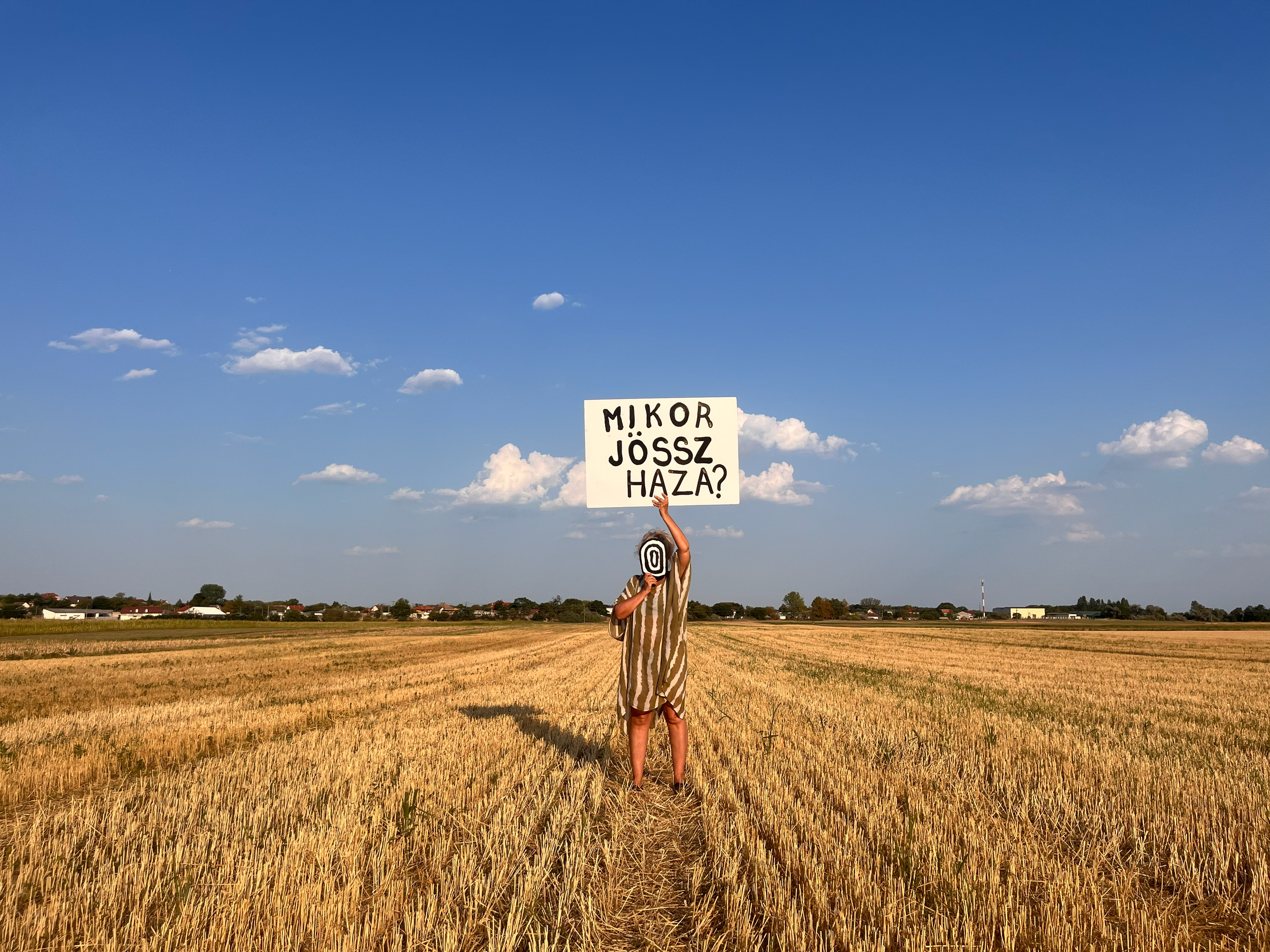
WHEN DO YOU COME HOME?
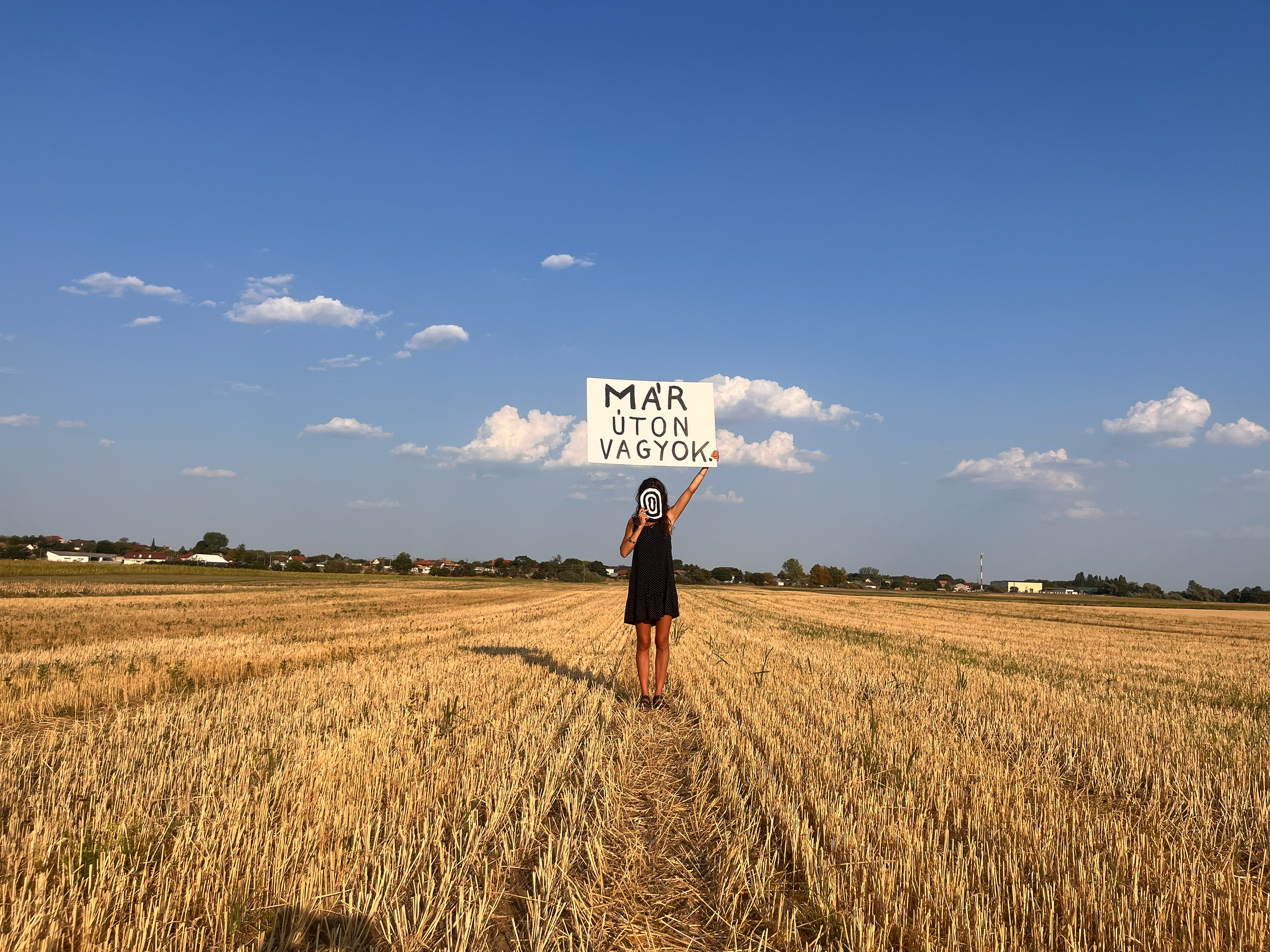
I AM ALREADY ON THE WAY.

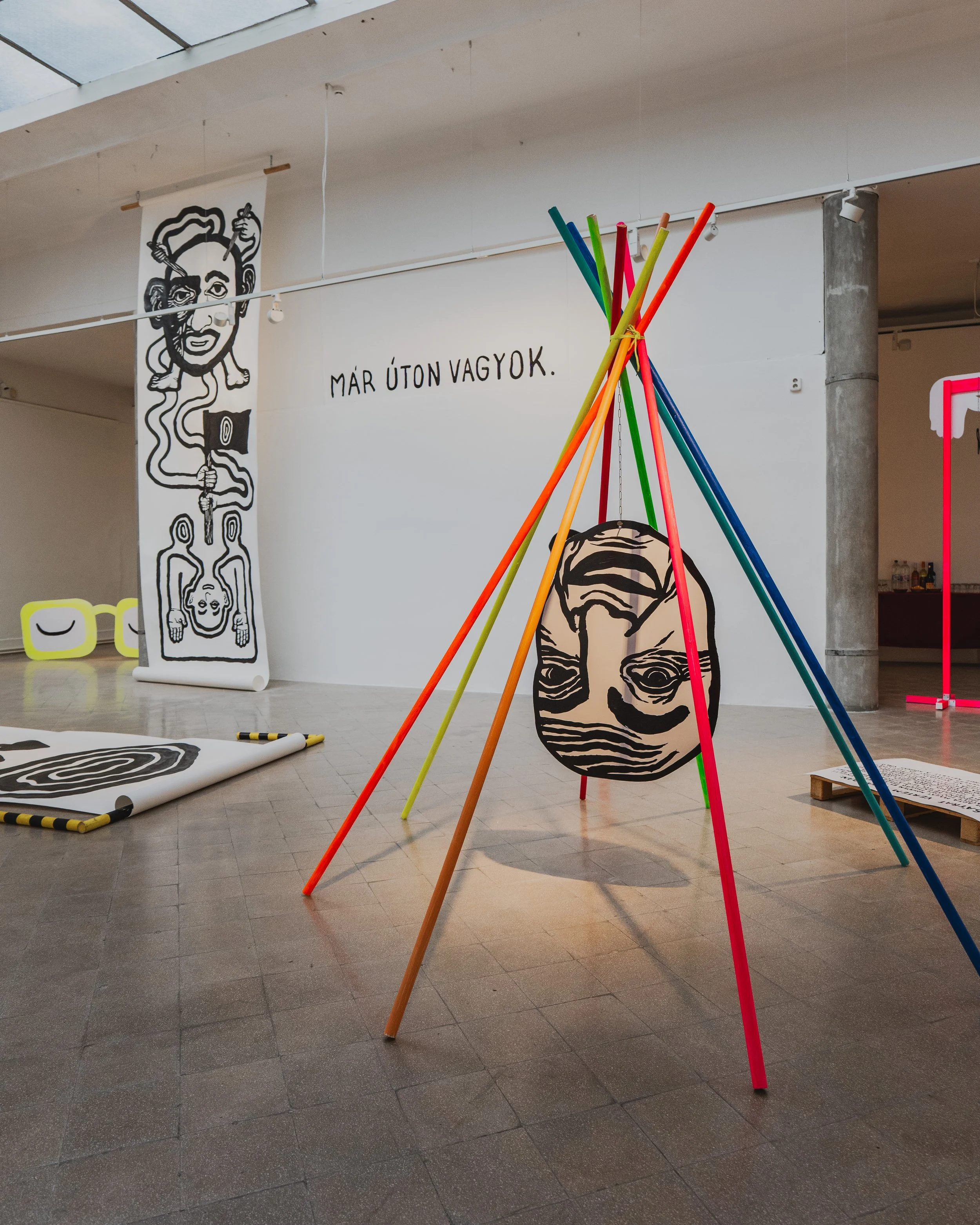

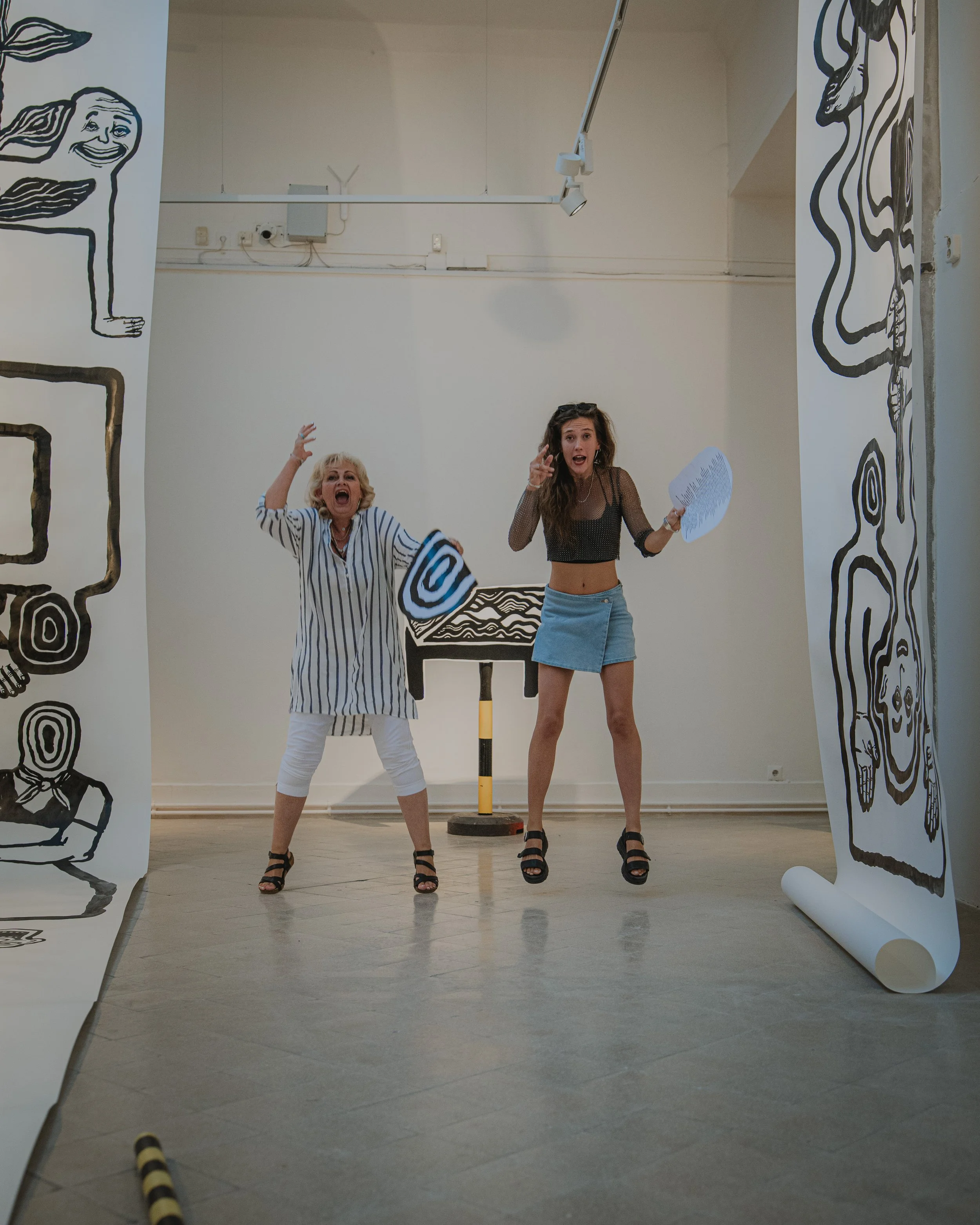
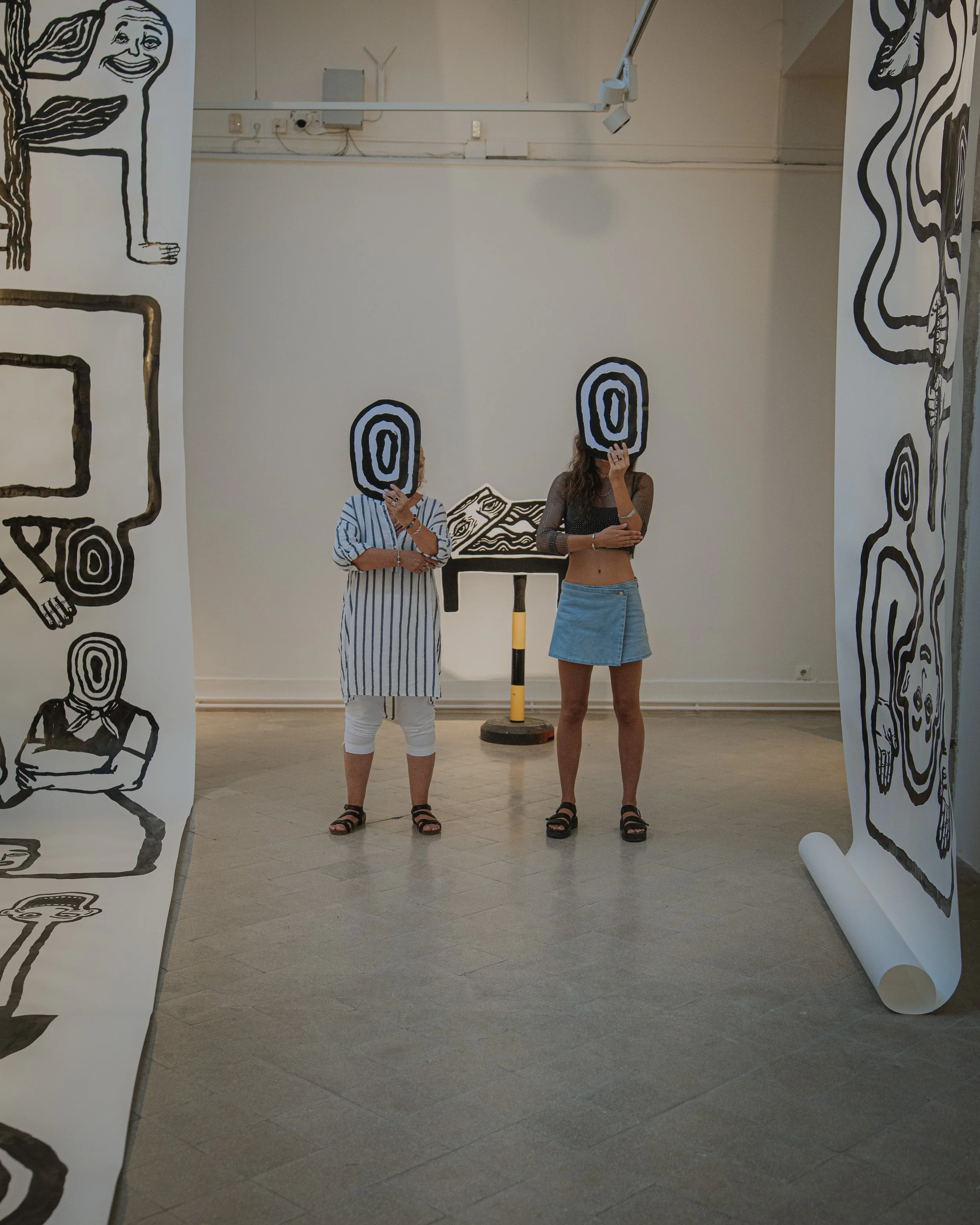
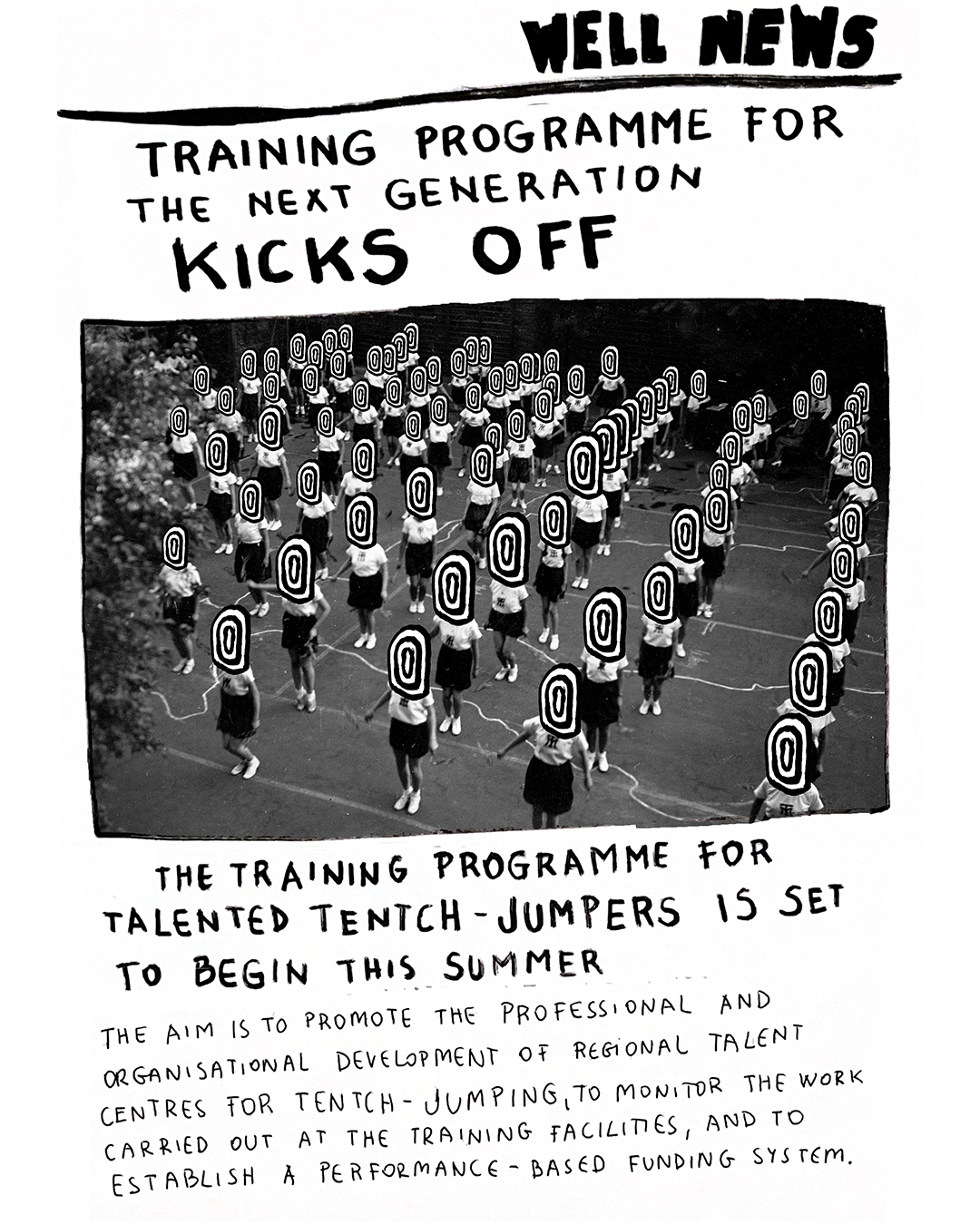
“ (…) Koltay Szonja is az anyáknak hódol, az anyák előtt tiszteleg, ugyanakkor kapcsolódik napjaink, pontosabban a közelmúlt politikai retorikájához, a történeti hagyományokhoz, nemzeti fájdalmakhoz, a nacionalizmushoz. Az anyák hazafias feladata a nemzet gyarapítása, eszményítésük a nacionalizmus része. A hatalmi ideológia, nemzeti eszmények, nemekhez kapcsolódó előítéletek, kulturális mítoszok ott vannak a nyelvben, nyelvi struktúrát is alkotnak. Ezt a „nyelvtant” szedi szét Koltay Szonyja, forgatja színéről a visszájára, kifordítja-befordítja, állítja fejetetejére. Új nyelvet épít a régi elemeiből. Társadalomkritikát gyakorol a nyelven. Néhány példa: Kárpát-gödör, kisanyország, nagyanyaország, sátorverőlegények, gazembertelenítés, kútbaigazító. Világhíreket mond, miközben egyéni, családi szinten is beszél, a családi híreket teszi publikussá, a világhíradó eseményévé – ezek a kút-hírek. Ami személyes, az politikus és ami politikus az személyes is, a nagypolitika behatol a családi életbe. Munkáinak van egy költői rétege, ami a folklór, a népi rigmusok, kiszámolók, a városi folklór, a rap keveréke. Ennek megfelelően nem finomkodik. A szóképeket vizuális képekre fordítja, a vizuális elemeket szóképekre. A sátorverő legények cövekelik le és őrzik a határokat. Képeinek gyakran nincs főnézete, iránya, alulról, felülről, bármely oldalról értelmezhetők. Mindezt elő is adja performanszaiban, sőt kiviszi az utcára, résztvevőket toboroz. Képeiből transzparenseket csinál, féktelenül játszik, hangoskodik, kiabál, bevon. Mintha felszabadultan utat engedne a generációkon, női generációkon keresztül felhalmozott energiáknak.”
Turai Hedvig
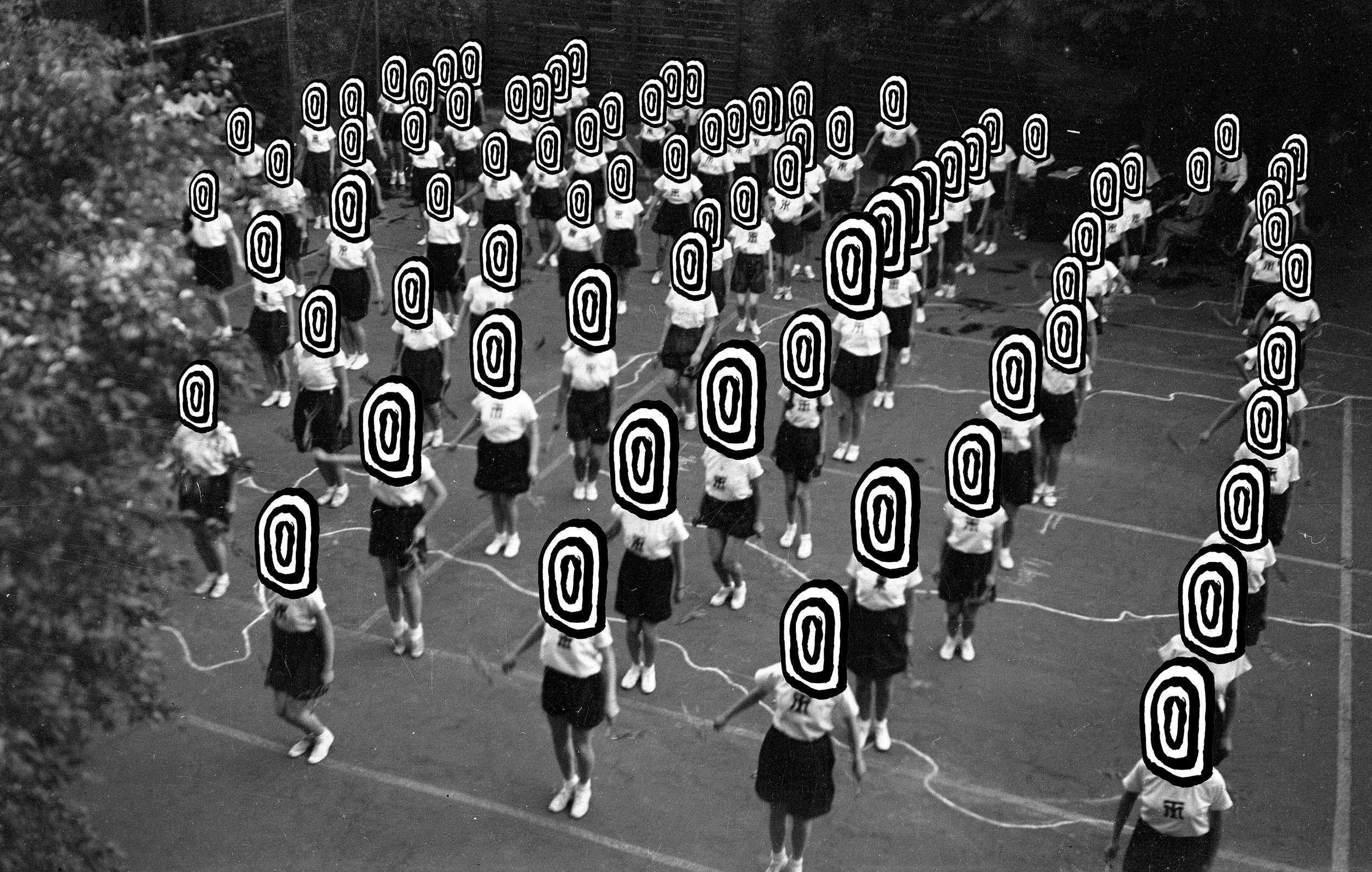
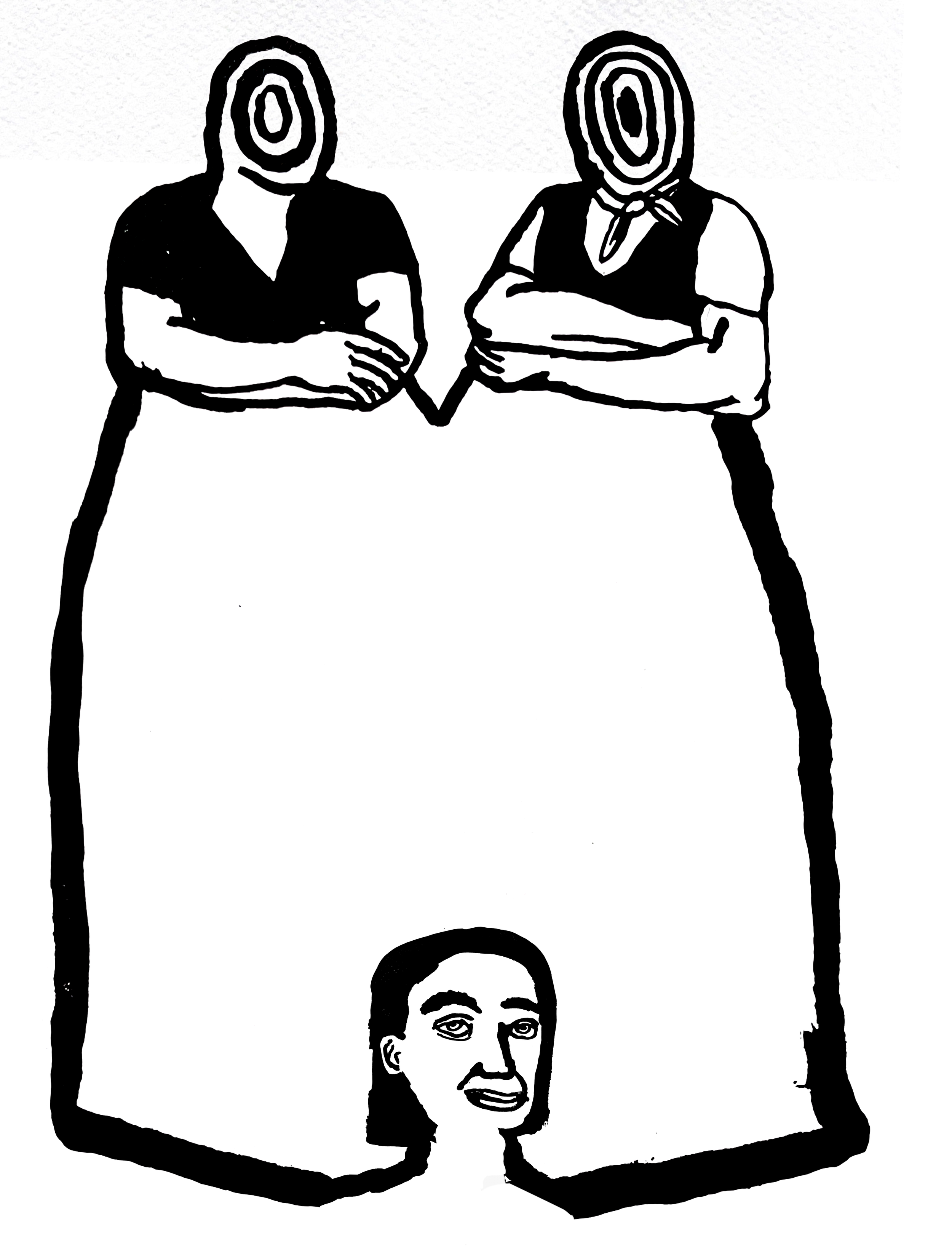
“(…) Szonja Koltay, too, pays tribute to mothers and honours them, whilst at the same time drawing on the political rhetoric of our times – or, more precisely, of the recent past – as well as on historical traditions, national sorrows and nationalism. The patriotic duty of mothers is to increase the nation’s numbers; their idealisation forms part of nationalism. The ideology of power, national ideals, gender-related prejudices and cultural myths are present in language; they also form its structure. Szonja Koltay picks this ‘grammar’ apart, turns it inside out, twists and turns it, and turns it upside down. She builds a new language from the elements of the old. She practises social criticism through language. A few examples: ‘Carpathian Pit’, 'little motherland', 'grandmotherland', 'tent-pitching lads', ‘scoundrel-isation’, 'well-straightener'. She reports on world news whilst also speaking on a personal and family level; she makes family news public, turning it into a news event – these are the ‘well-news’ stories. What is personal is political, and what is political is also personal; high politics intrudes upon family life. Her works have a poetic layer, which is a blend of folklore, folk rhymes, counting rhymes, urban folklore and rap. Accordingly, he does not mince her words. She translates verbal imagery into visual images, and visual elements into verbal imagery. The tent-pitching lads stake out and guard the boundaries. Her images often lack a central focus or direction; they can be interpreted from below, from above, or from any angle. She brings all this to the fore in his performances, even taking them out onto the streets and recruiting participants. She turns her pictures into banners, plays with abandon, makes a racket, shouts and draws people in. It is as though she were freely giving way to the energies accumulated across generations, across generations of women.”
Hedvig Turai