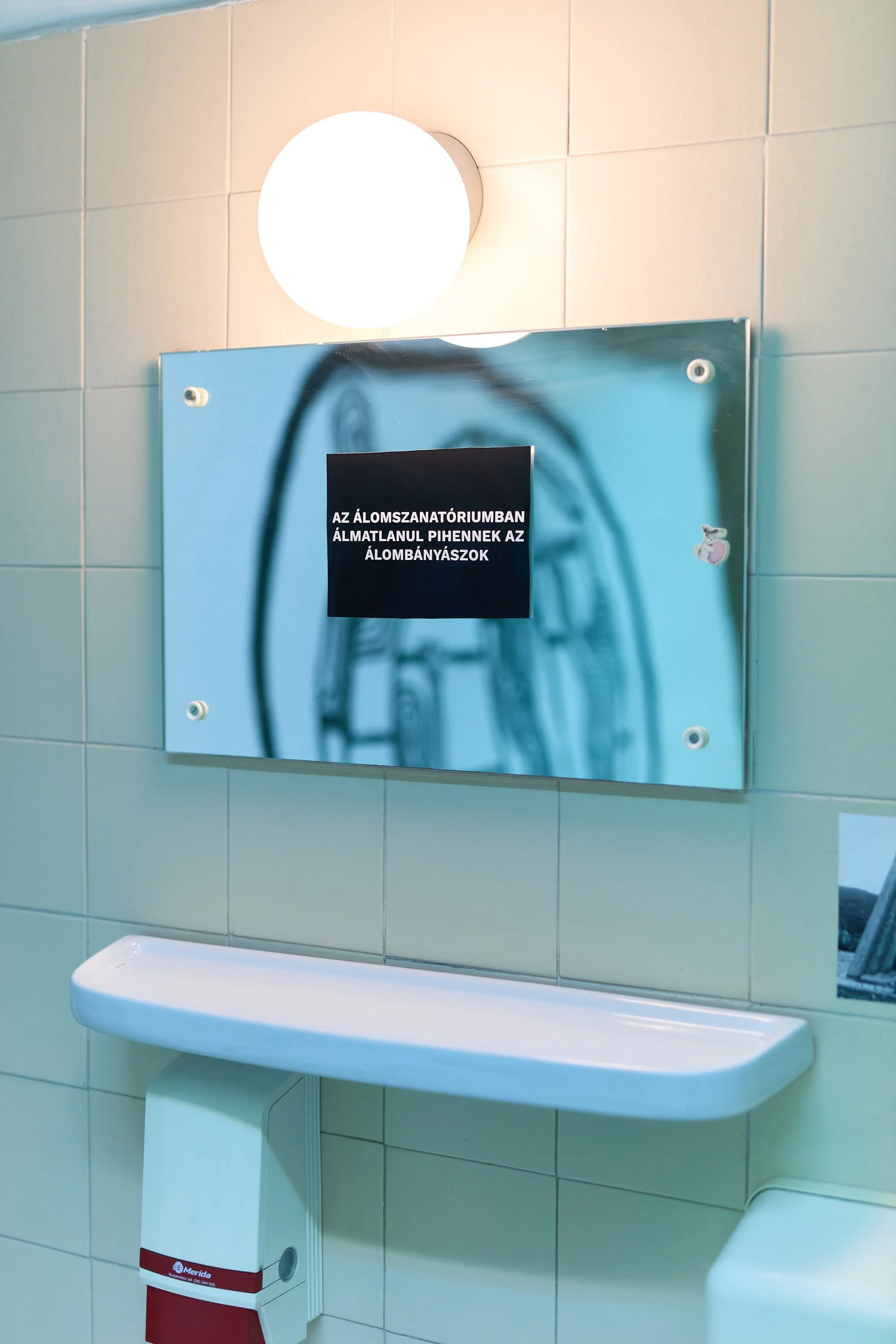
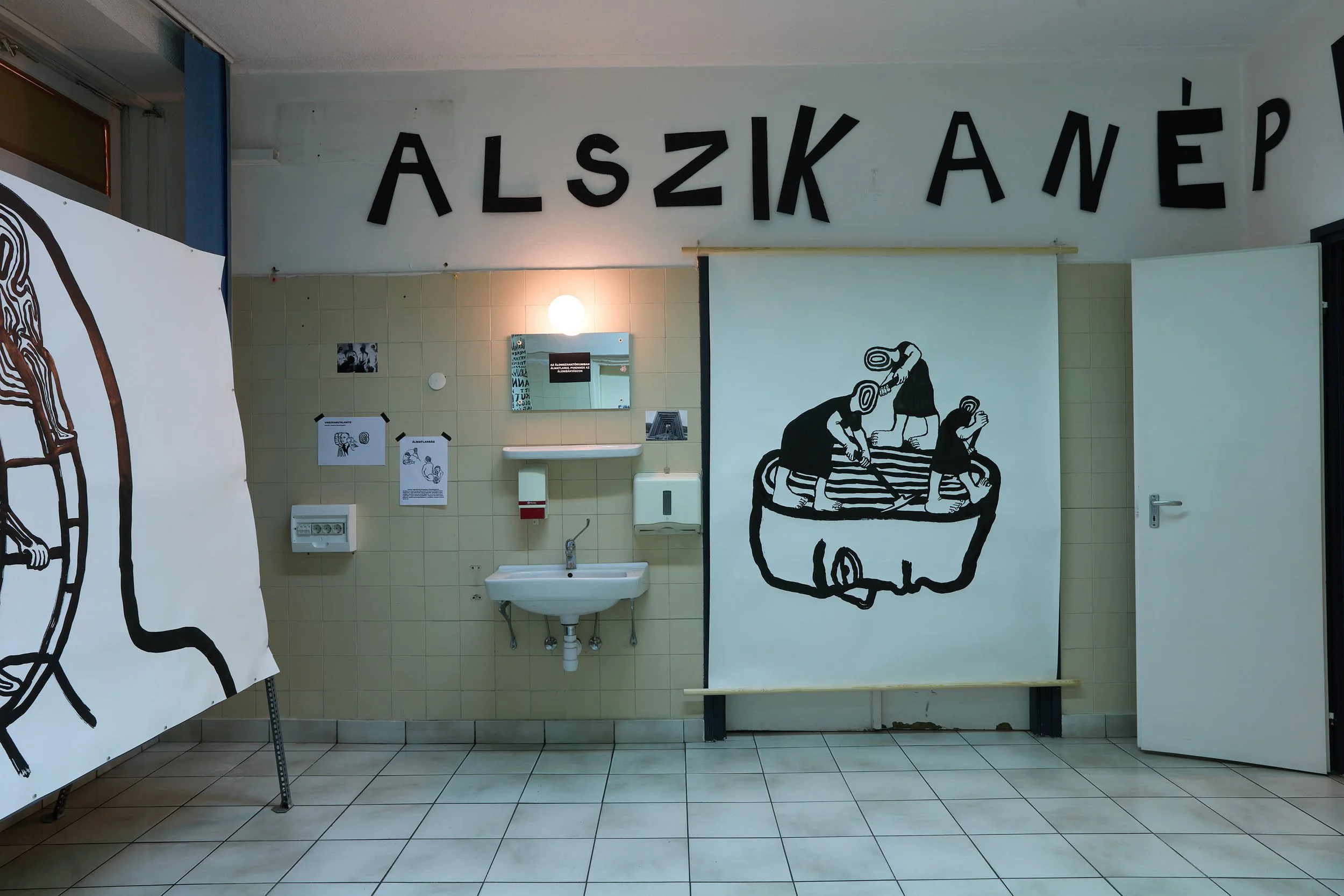
AZ ÁLOMSZANATÓRIUMBAN ÁLMATLANUL PIHENNEK AZ ÁLOMBÁNYÁSZOK
DREAM-MINERS SPEND DREAMLESS NIGHTS AT THE DREAM SANATORIUM
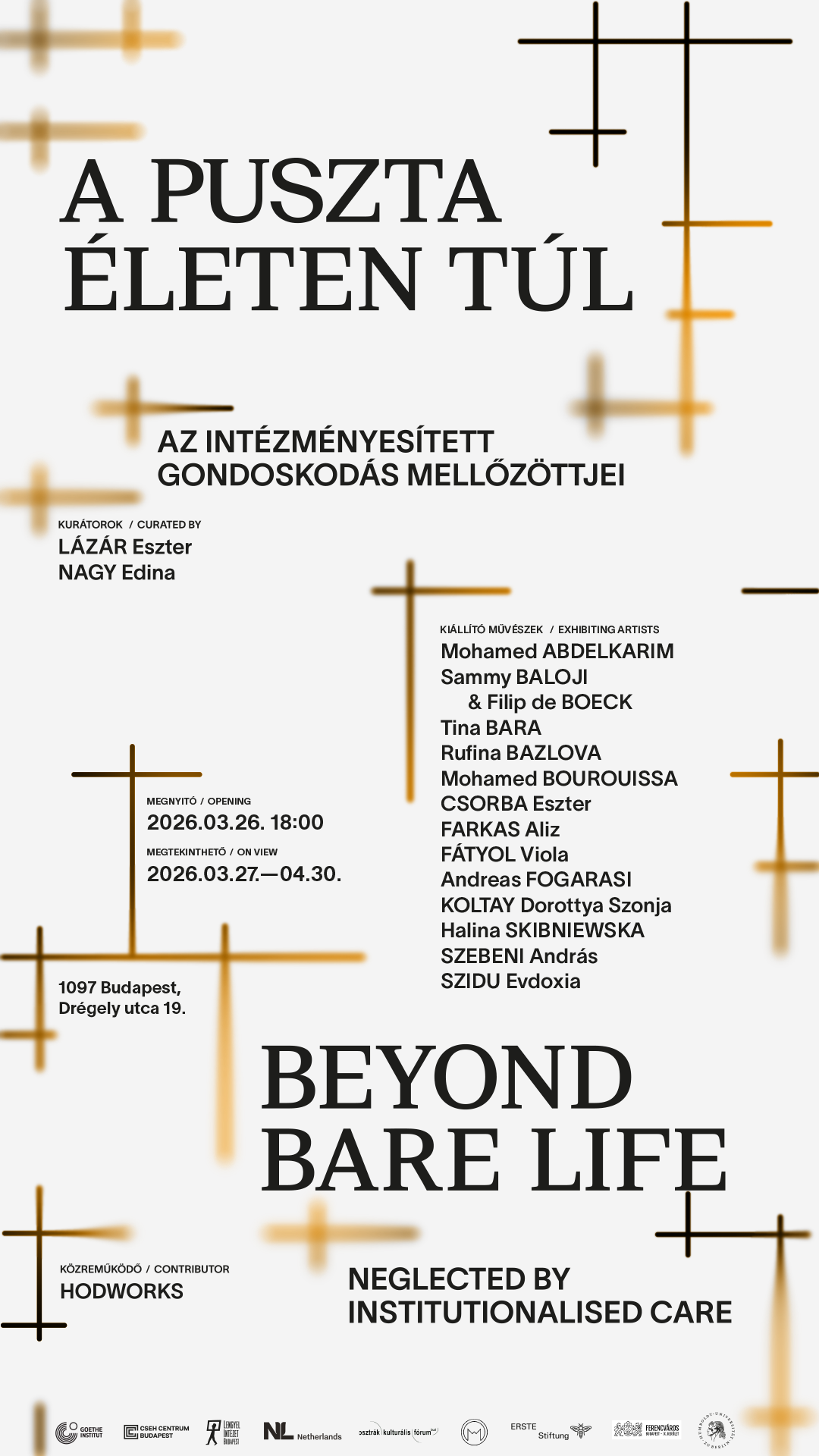
A PUSZTA ÉLETEN TÚL. AZ INTÉZMÉNYESÍTETT GONDOSKODÁS MELLŐZÖTTJEI
BEYOND BARE LIFE.
NEGLECTED BY INSTITUTIONALISED CARE
Curated by
LÁZÁR Eszter, NAGY Edina
2026. 03. 27. – 04. 30.
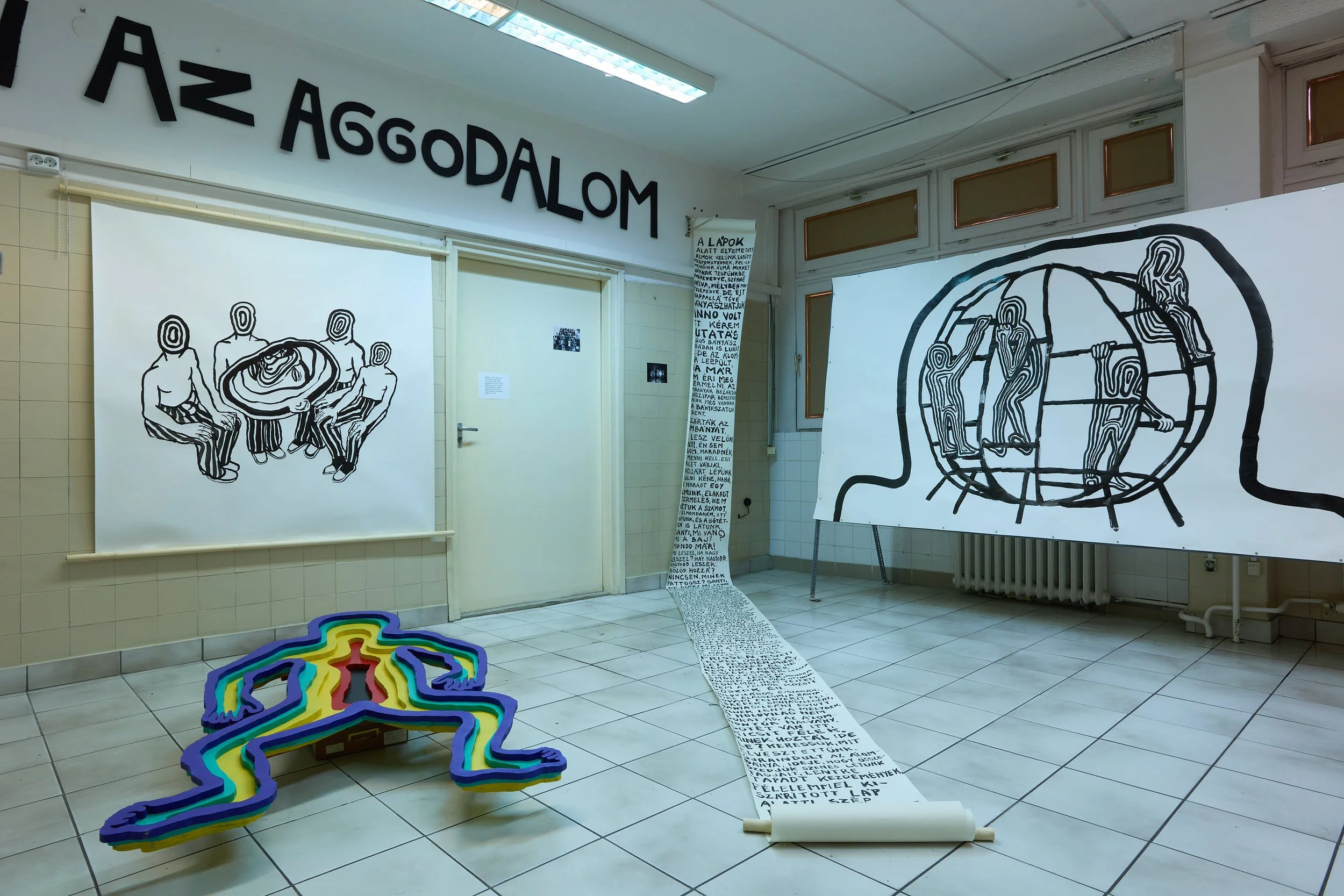
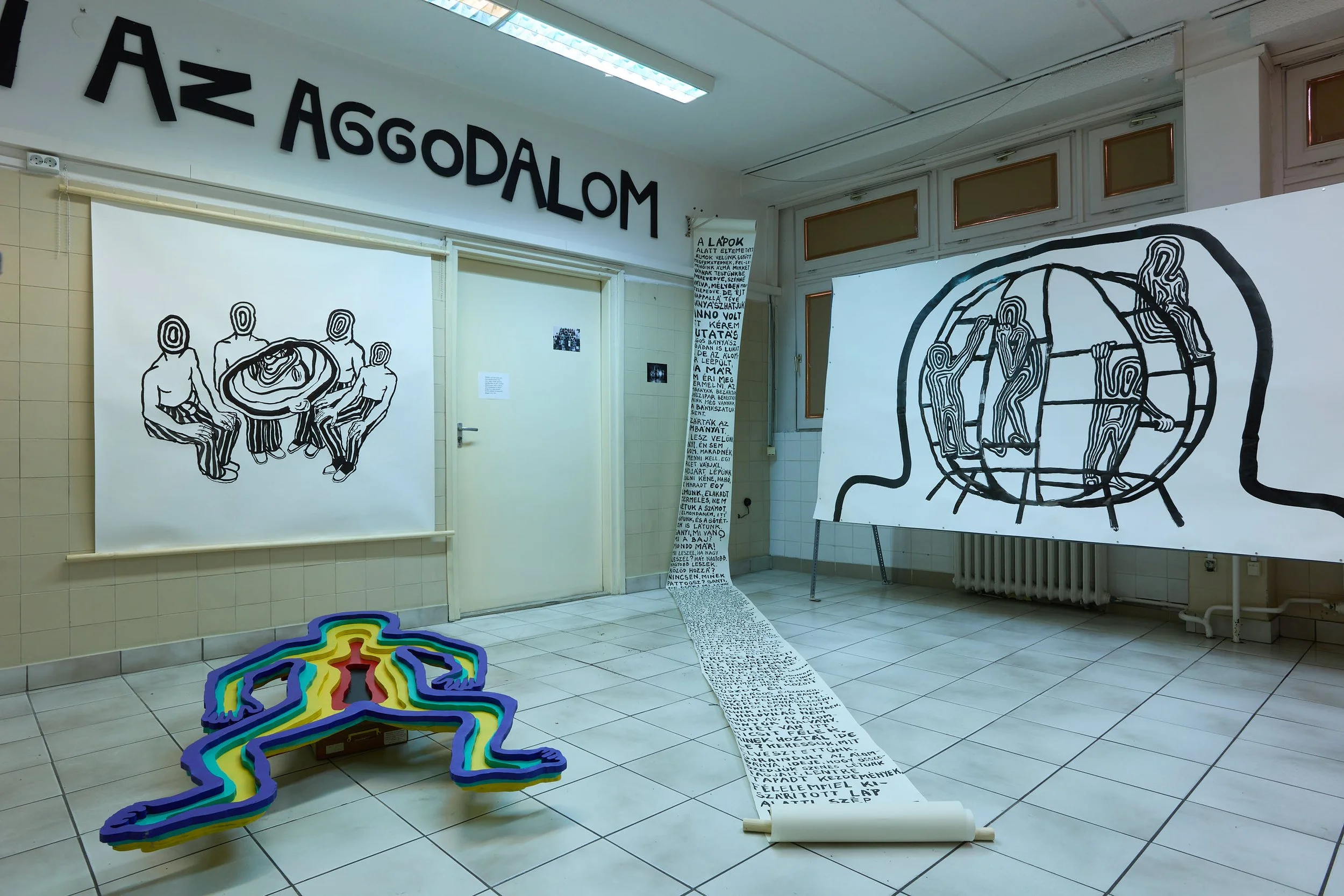
ALSZIK A NÉP ÉS ALSZIK A NÉPBEN AZ AGGODALOM
〰
ALSZIK A NÉP ÉS ALSZIK A NÉPBEN AZ AGGODALOM 〰
AZ ÁLOMSZANATÓTIUMBAN ÁLMATLANUL PIHENNEK AZ ÁLOMBÁNYÁSZOK
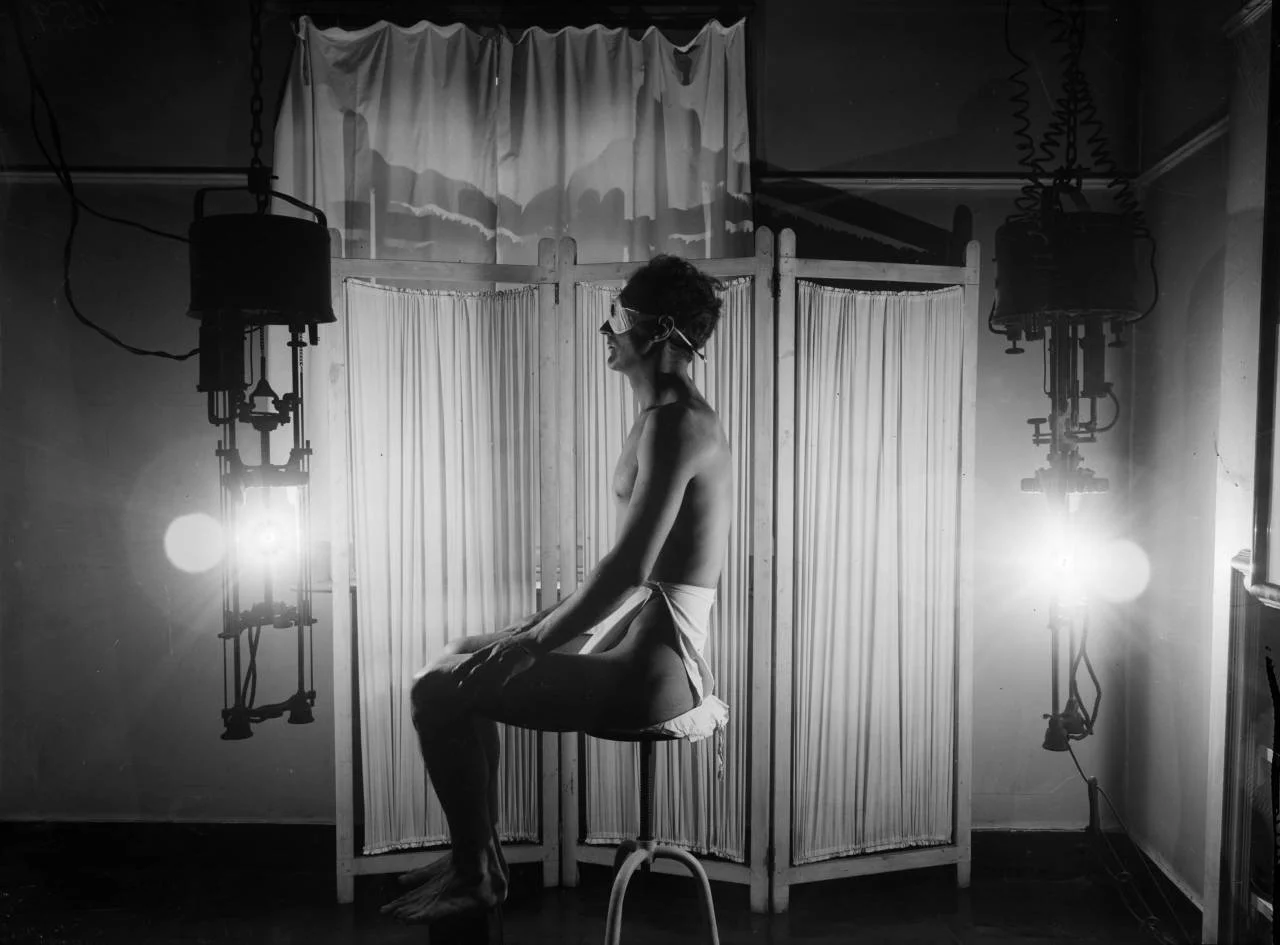
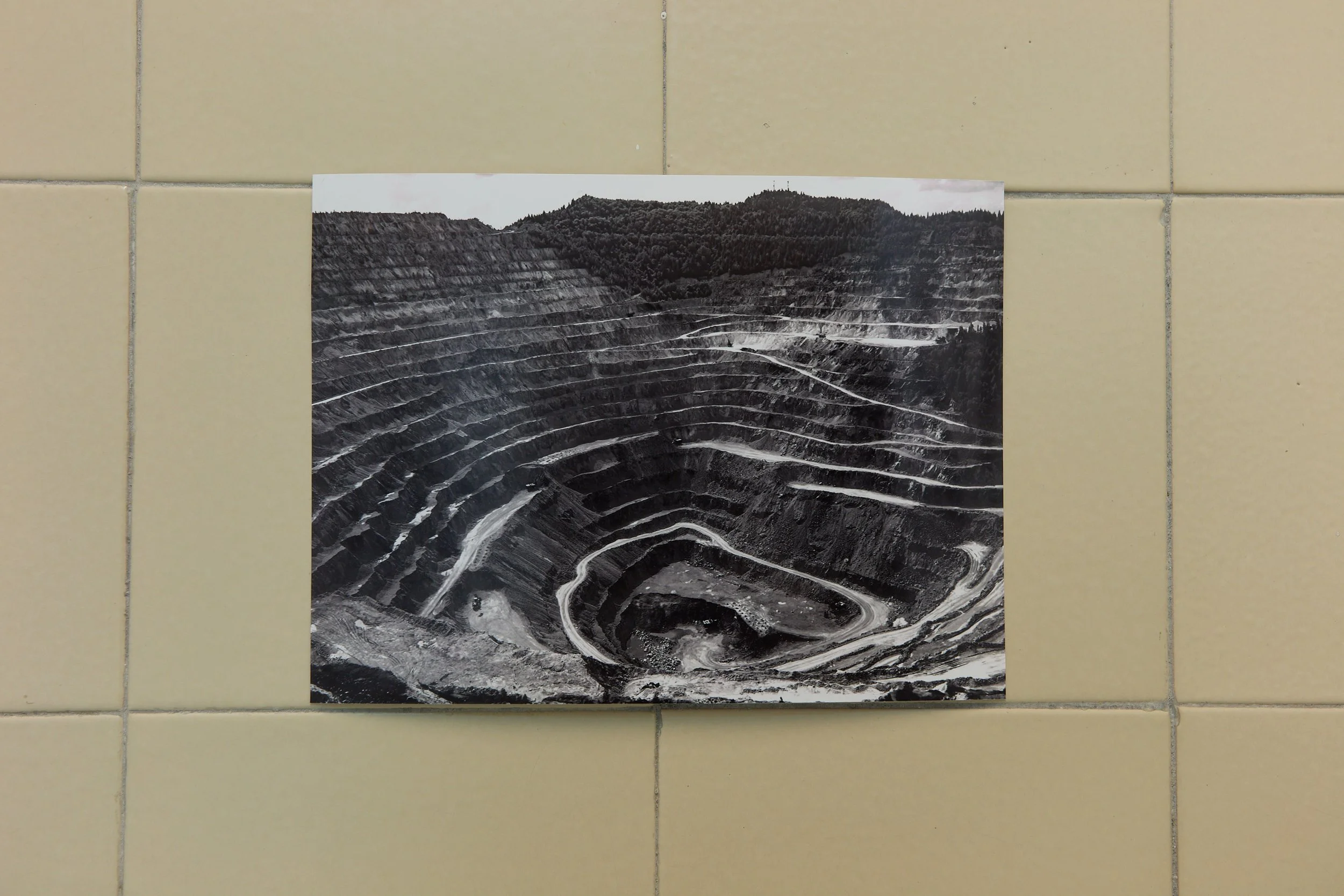
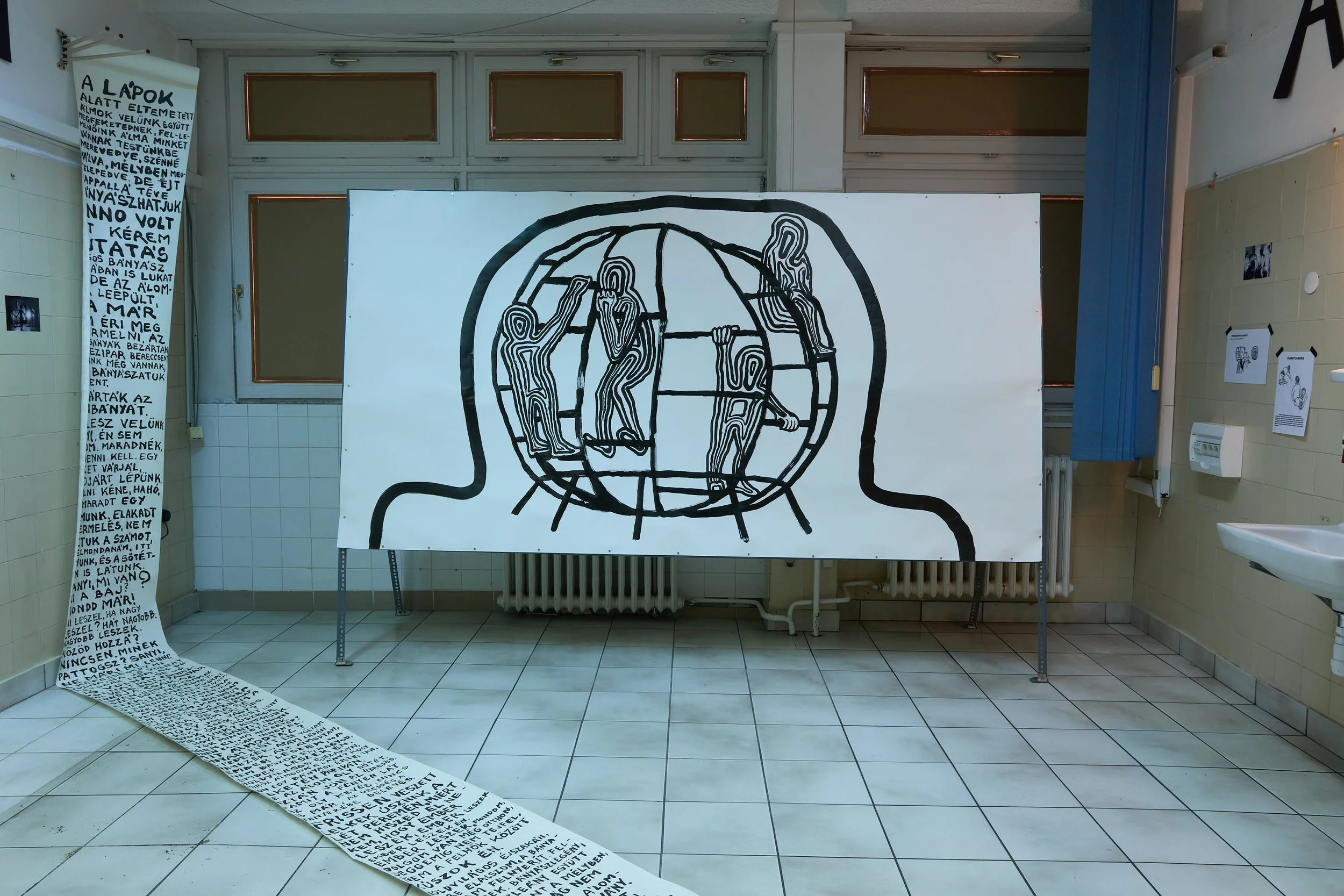
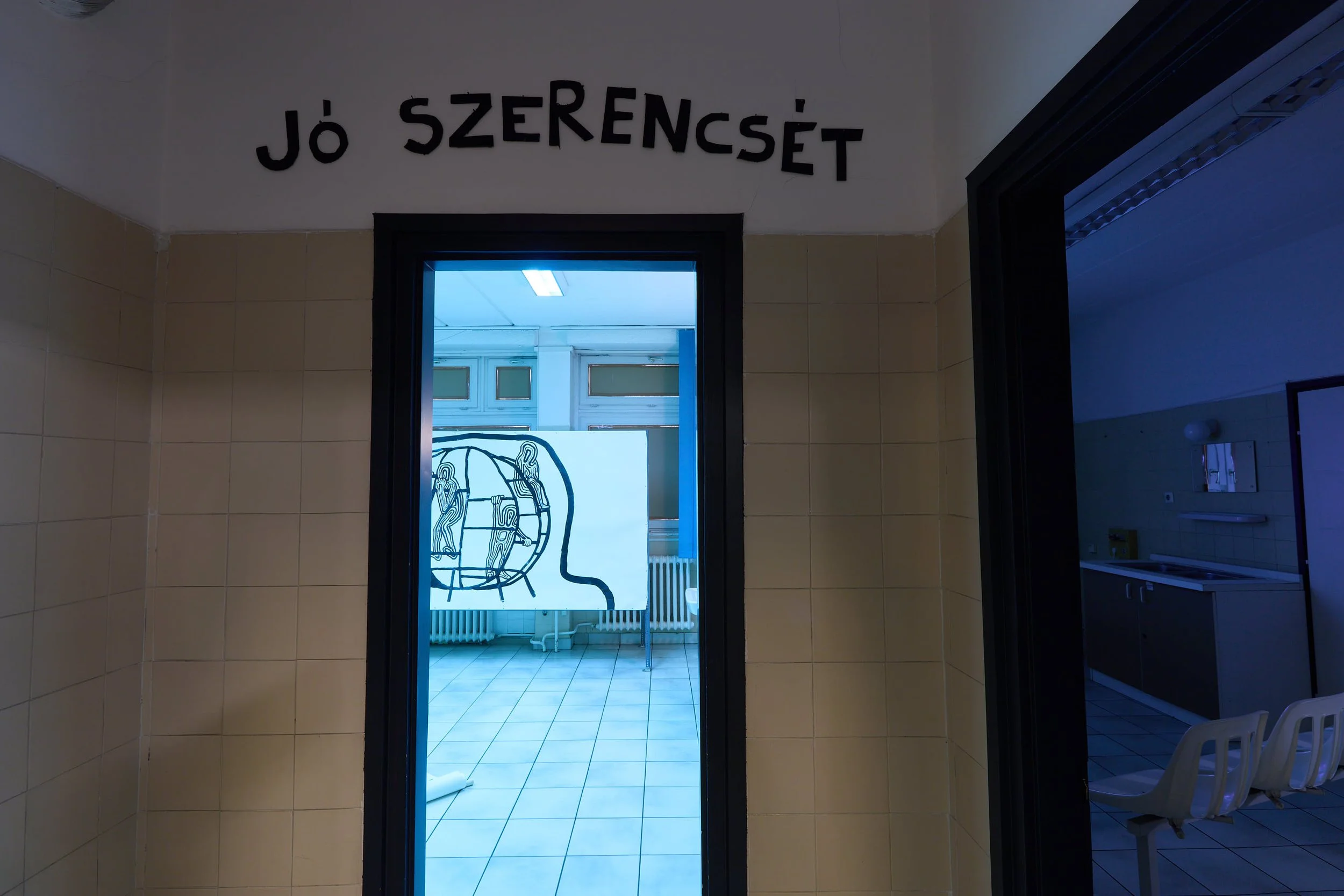
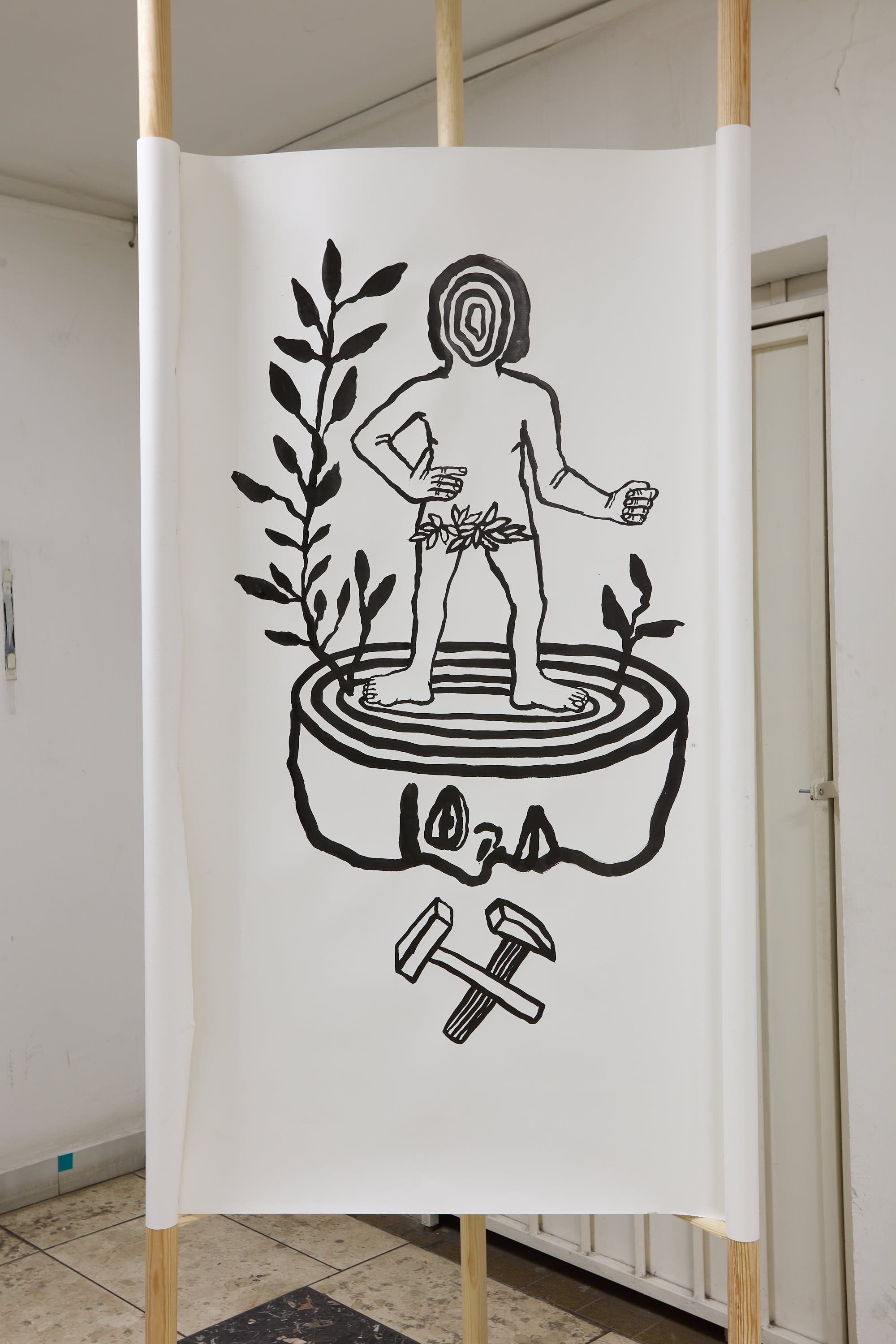
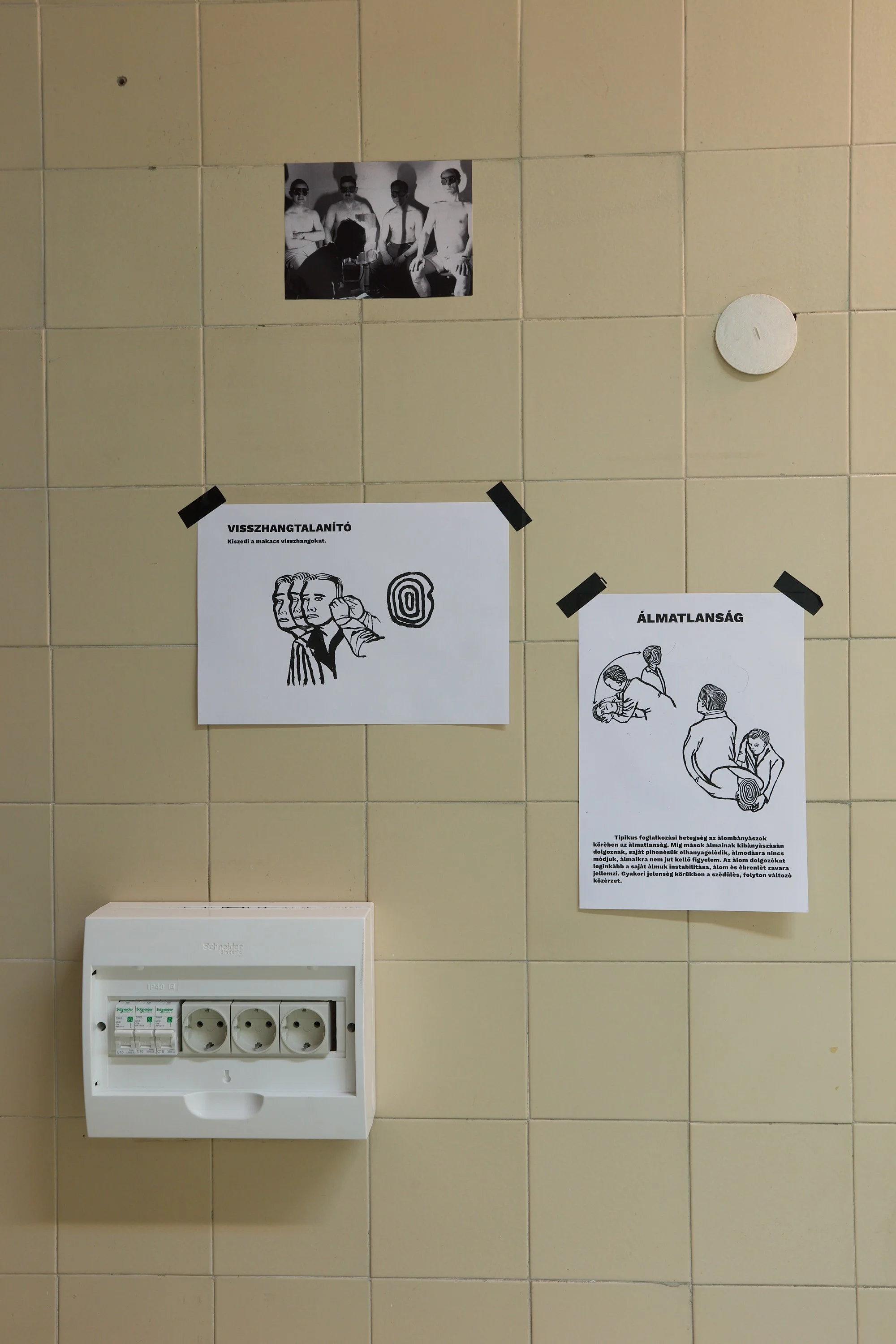
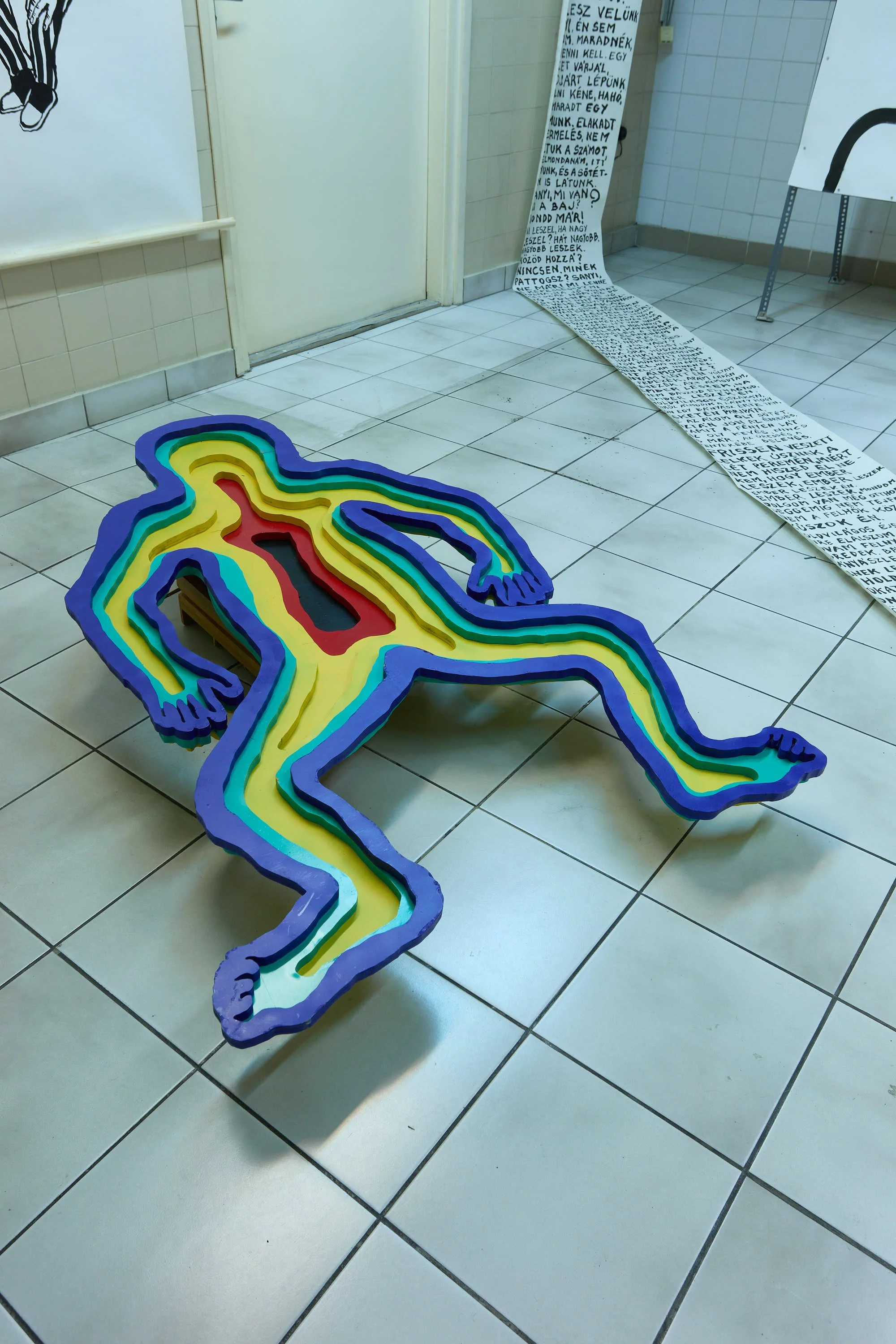
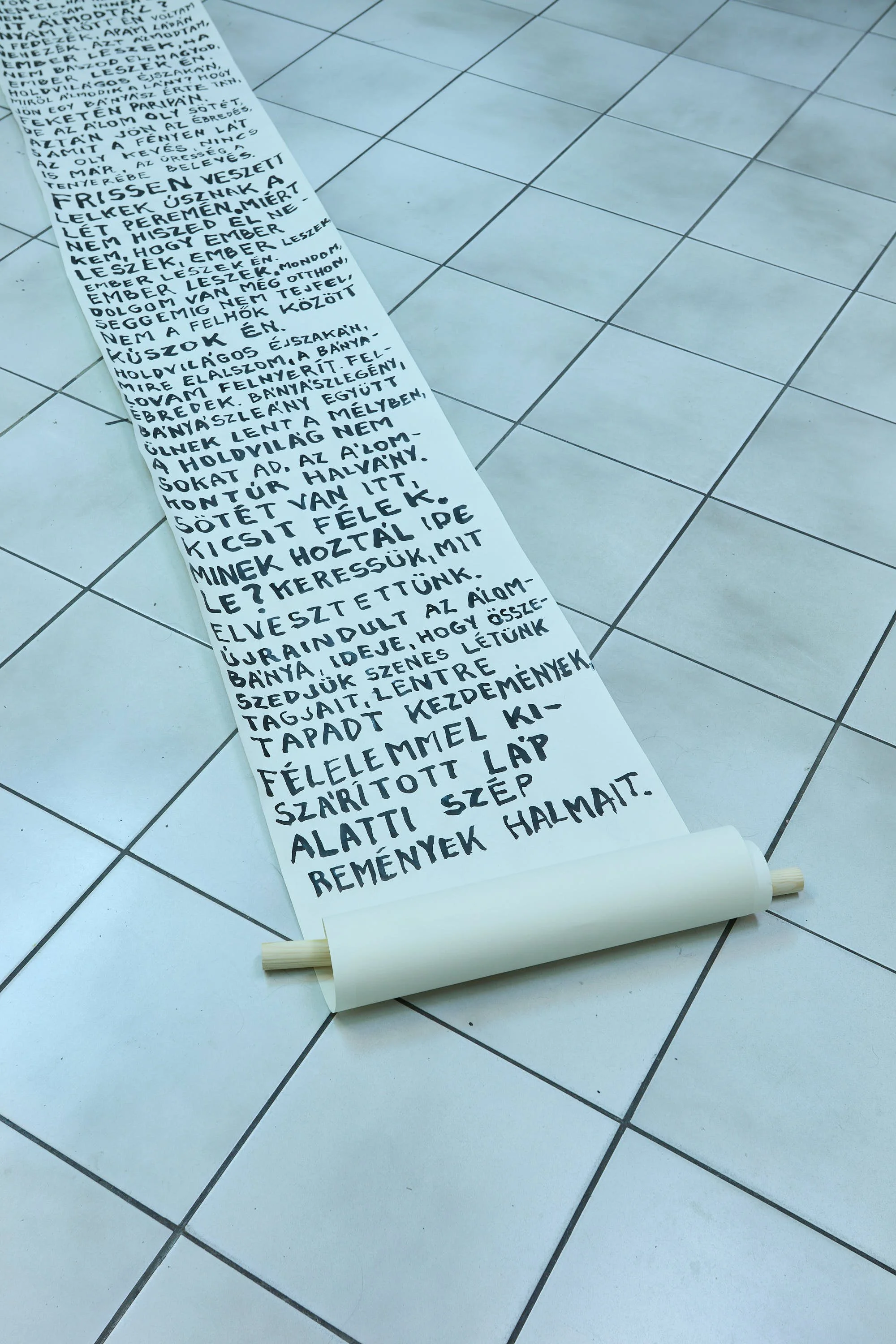
A lápok alatt eltemetett álmok hosszú idő alatt megfeketednek, majd elszenesednek. Elődeink szénné vált álmai kibányászhatóak. Az álombányászok éjt nappallá téve kutatják a fedőréteg alatt rejlő szenes álmokat, majd felszínre hozzák, hogy aztán erőforrásként tudjuk azokat használni. A magyarországi álombányászat főleg a szocializmus idején jelentős ipari ágazat volt számos álombányavidékkel. A kilencvenes éveket követően fokozatosan leépült. Ma már nem gazdaságos és a működő álombányák is bezártak, az ország álomkitermelése szinte teljesen megszűnt. Az ötvenes-hatvanas években, a csúcson, álomszanatóriumokat létesítettek, ahová pihenés céljából utalták be az álombányászokat. Jellemző foglalkozási megbetegedés volt körükben az álmatlanság. A gyógyuló álombányászok valójában mások álmaiért küzdöttek, és hiába kerültek be a szanatóriumba, a testüket-lelküket a végletekig kizsigerelték.
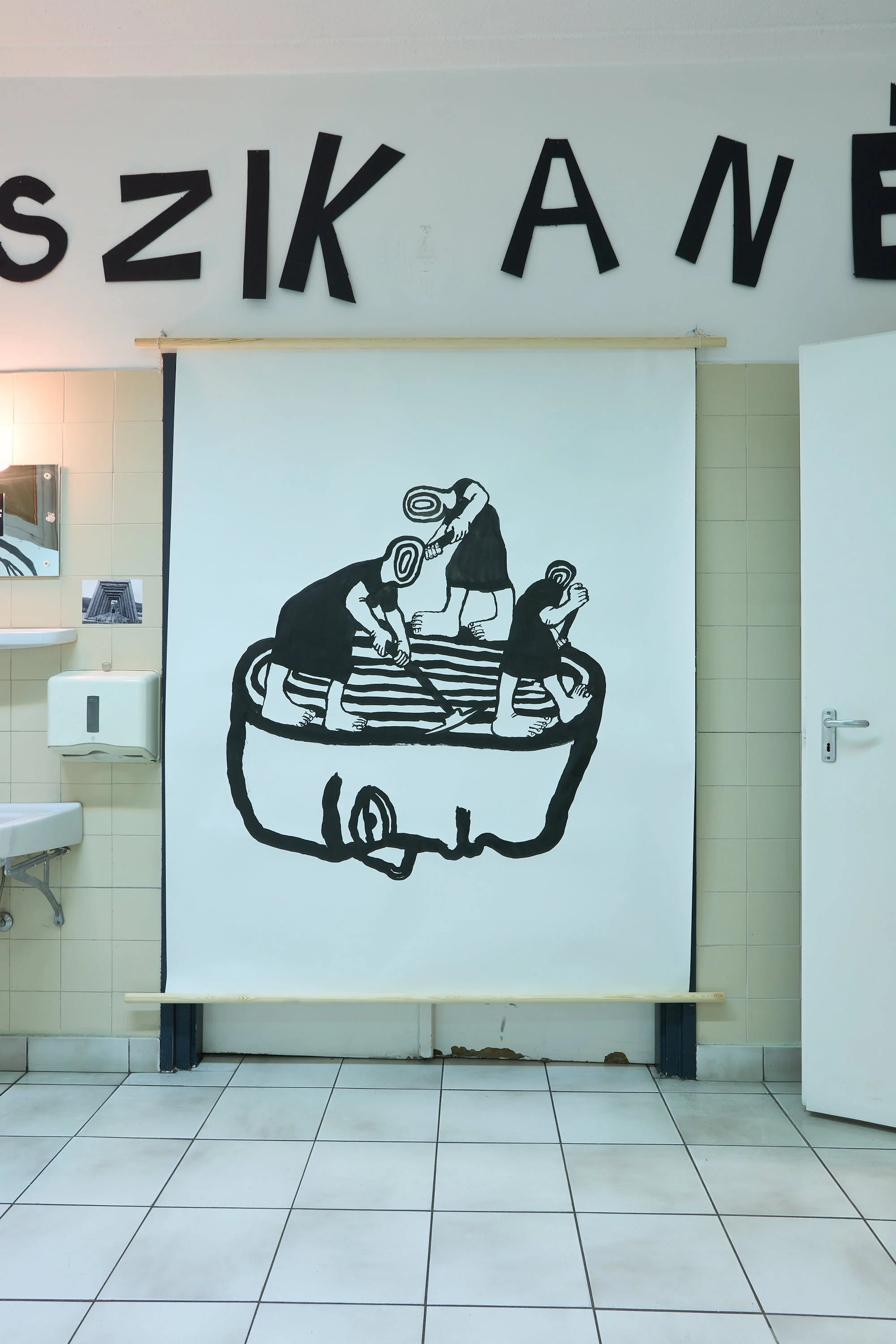
Az álomvesztés nem csak a szocialista rendszer sajátja, sőt. Bár álombánya alig maradt, az álombányászat ma is létezik, az álmatlanság pedig a mai álombányászokat is sújtja. A mindennapi dolgozókat, szociális munkásokat, anyákat, nevelőket - akik sötétben dolgoznak mások álmaiért. Nekik sincs lehetőségük pihenni, csukott szemhéjuk mögött, álmukban is mások szolgálatában állnak. Míg dolgoznak, hogy visszahozzák a felszínre, ami olykor eltemetődött az évtizedek alatt, a jövőbeli álmodókért dolgoznak. A termelési számokat is hozniuk kell, és egy központi víziónak, egy felülről érkező közös álomnak is meg kell felelniük.
DREAM-MINERS SPEND DREAMLESS NIGHTS AT THE DREAM SANATORIUM
Dreams buried beneath marshlands blacken over time and eventually turn to coal. The coalified dreams of our predecessors can be mined. Dream-miners, working day and night, search for these carbonised dreams hidden beneath the surface, recovering them so they may be used as a resource. In Hungary, dream-mining was a significant industrial sector particularly during the socialist period, with several dream-mining regions across the country. After the 1990s, it was gradually downsized. Today this sector is no longer economically viable, so the remaining dream mines have closed as well and the extraction of dreams has almost entirely ceased in the country. At the industry's peak in the fifties and sixties, dream sanatoriums were established, to which dream-miners were referred to get rest. Insomnia was a characteristic occupational disease among them. The truth is, the dream-miners in recovery were struggling for the dreams of others, and despite being admitted to the sanatorium, their bodies and minds were exhausted to the extreme.
The loss of dreams is not specific to the socialist regime - quite the contrary. Although there are now hardly any dream mines left, dream-mining still exists, and dreamlessness continues to afflict today's dream-miners: everyday workers, social workers, mothers, caregivers - those who toil in the dark for the dreams of others. They, too, have no opportunity to rest; even behind closed eyelids, in their dreams, they remain in the service of others. As they work to bring back to the surface all that has been buried over decades, they work for the dreamers of the future. They must also meet production targets and conform to a central vision - a shared dream imposed from above.
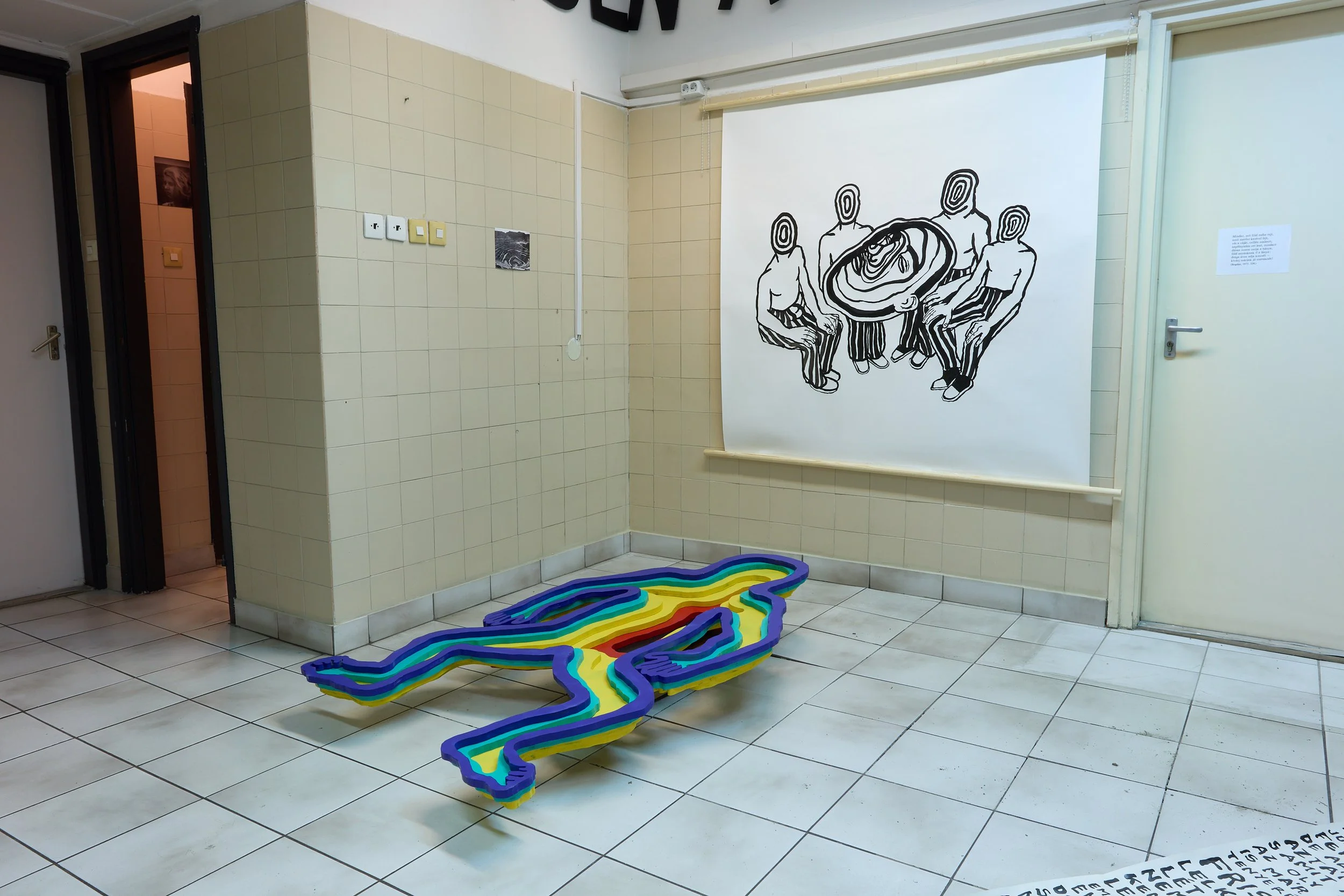
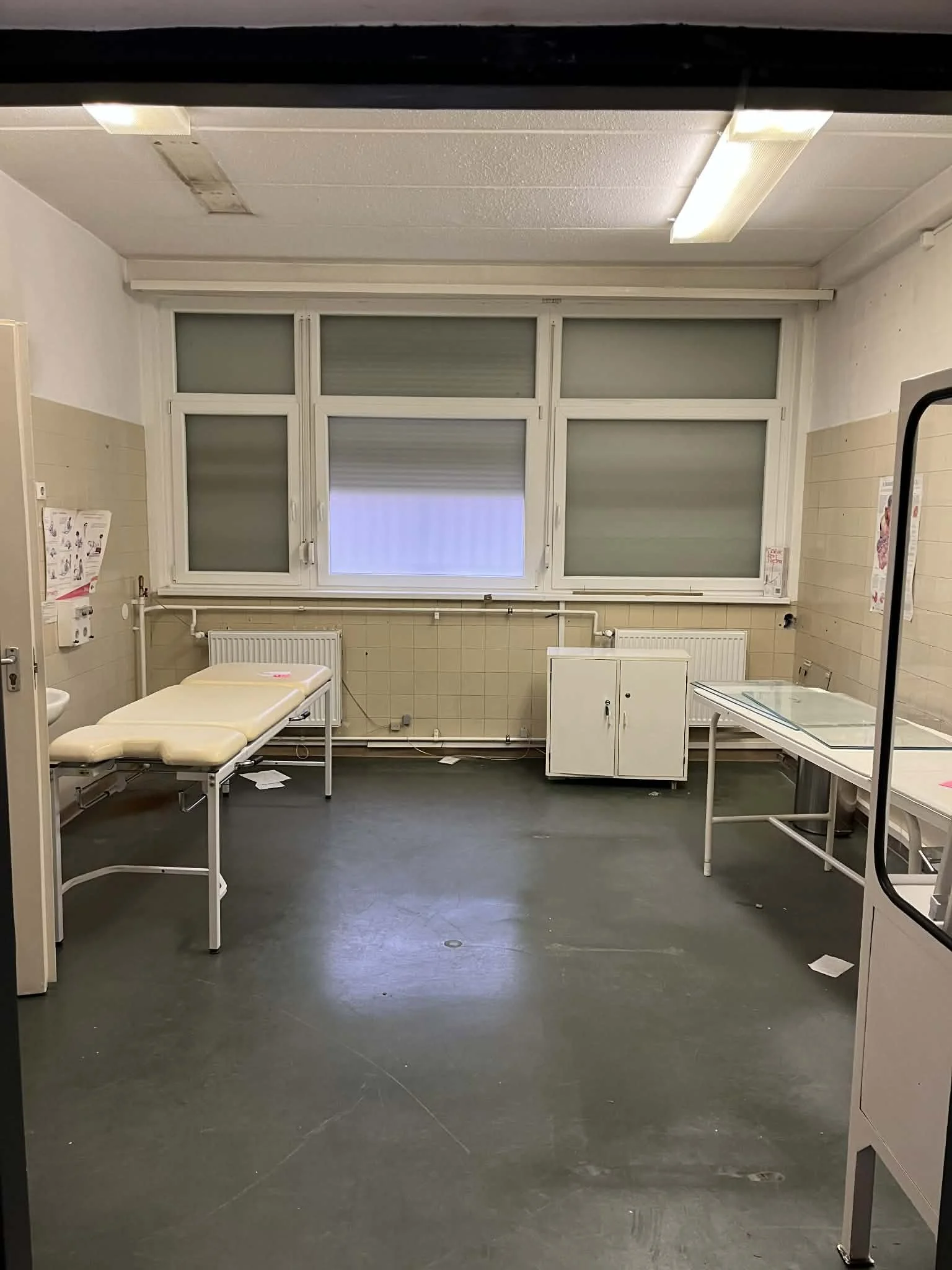
CSOPORTOS KIÁLLÍTÁS AZ EGYKORI DRÉGELY UTCAI SZTK ÉPÜLETBEN
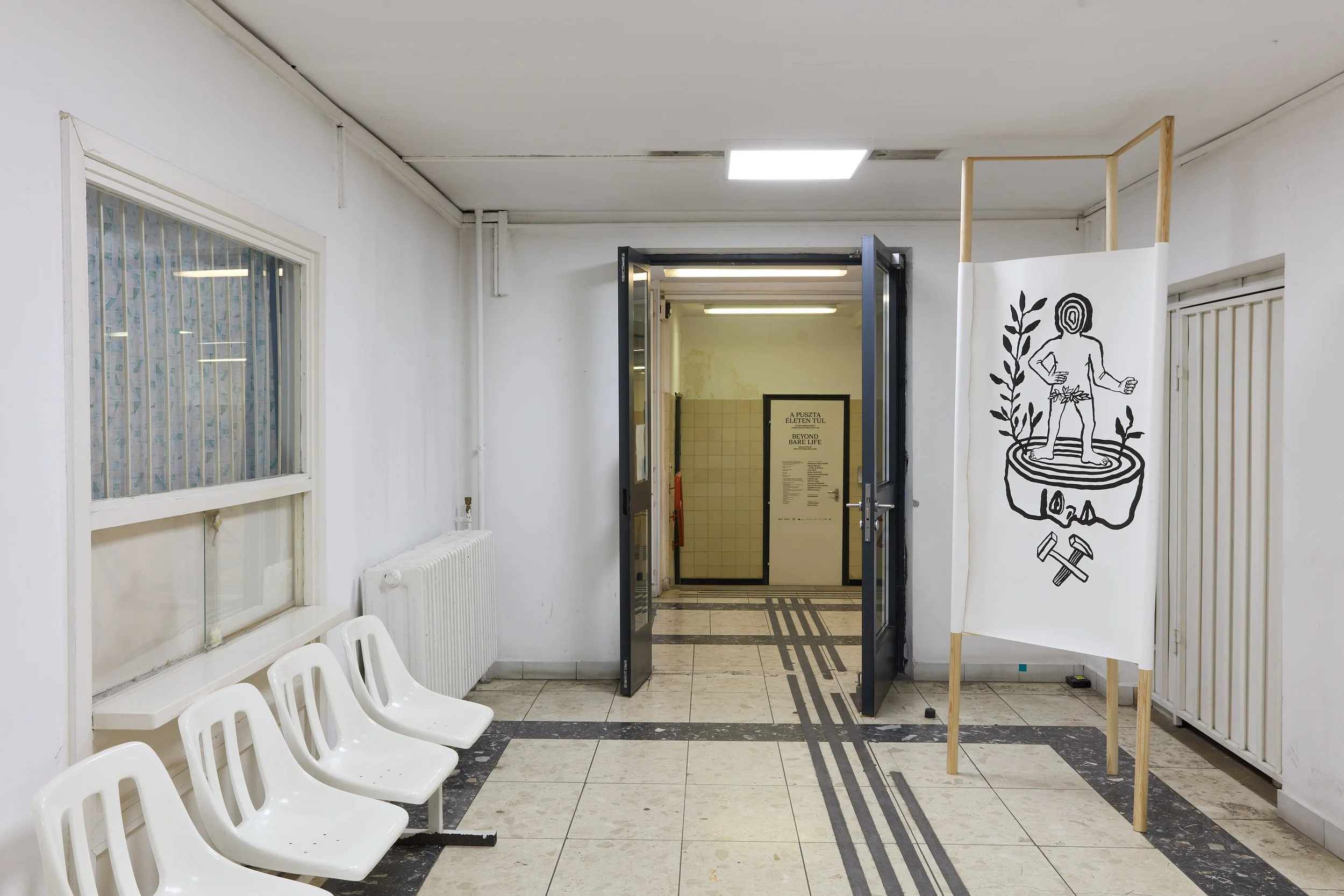
“A kiállításon bemutatásra kerülő művek nagy része a hidegháborús időszak néhány olyan egészségügyi, intézményi példáját veszi alapul, amelyek jellegükből adódóan – legyen az elnyomó, progresszív vagy a kettőt paradox módon ötvöző – jól tükrözik a korszak ambivalenciáját. Az egykori szocialista blokk és a gyarmatosított országok egészségügyi infrastruktúráinak összehasonlítása a tekintetben is tanulságokkal szolgálhat, hogy milyen formában és hatókörrel jelenhettek meg bizonyos újító törekvések koloniális majd posztkoloniális kontextusban. Amikor egészségügyi intézményekről beszélünk, konkrét fizikai terek jutnak az eszünkbe: egy kórház, egy pszichiátria vagy szanatórium. A kiállítás útvonalai is ilyen terek mentén szerveződnek. Mint például az elmegyógyintézet, a munkások éjszakai szanatóriuma vagy éppen egy olyan láthatatlanná tevő tér, mint a „Tripperburg”. E térkategóriák nem csupán betegségtípusokhoz és konkrét intézkedésekhez kapcsolhatók, hanem mindezek történeti változásait is érzékeltetik.
A kiállítás egy 2024 őszén elkezdett, hosszú távú oktatási, kutatási és kiállítási projekt része. A címben szereplő „puszta élet” kifejezést Giorgio Agamben olasz filozófustól kölcsönöztük. Az agambeni puszta élet a biológiai élet tényét jelenti, messze a teljes fizikai, lelki és társadalmi jóléttől. A kiállítás címe a puszta életre ítéltekre utal, akiket éppen azok a társadalmi és gazdasági szektorok hagytak magukra, amelyeknek a lehető legjobb egészséget kellene biztosítaniuk számukra.”
Lázár Eszter, Nagy Edina
GROUP EXHIBITION IN THE SPACE OF A CLOSED HEALTH CLINIC
“For the most part, the works presented in the exhibition draw on examples of institutional healthcare from the Cold War era which, by their very nature –whether oppressive, progressive, or paradoxically combining the two – reflect the ambivalence of the era. Comparing the healthcare infrastructures of the former socialist bloc and colonised countries can also be illuminating with regard to the forms and scope in which certain innovative initiatives could appear in colonial and later postcolonial contexts. When we speak about health institutions, we tend to imagine concrete physical spaces: a hospital, a psychiatric institution, or a sanatorium. The exhibition’s routes are likewise organised along such spaces – for example, a mental asylum, a night sanatorium for workers, or a space of enforced invisibility such as “Tripperburg.” These spatial categories are not only linked to particular types of illness and specific measures but also illustrate the historical transformation of these.
The exhibition forms part of a long-term education, research, and exhibition project launched in the autumn of 2024. The term “bare life” in the title is borrowed from the Italian philosopher Giorgio Agamben. In the Agambenian sense, bare life refers to the mere fact of biological existence, far removed from complete physical, mental and social well-being. The exhibition’s title refers to those condemned to bare life – people left to fend for themselves by precisely those social and economic sectors that should be providing the best possible health for them.”
Eszter LÁZÁR, Edina NAGY