FREGOLI
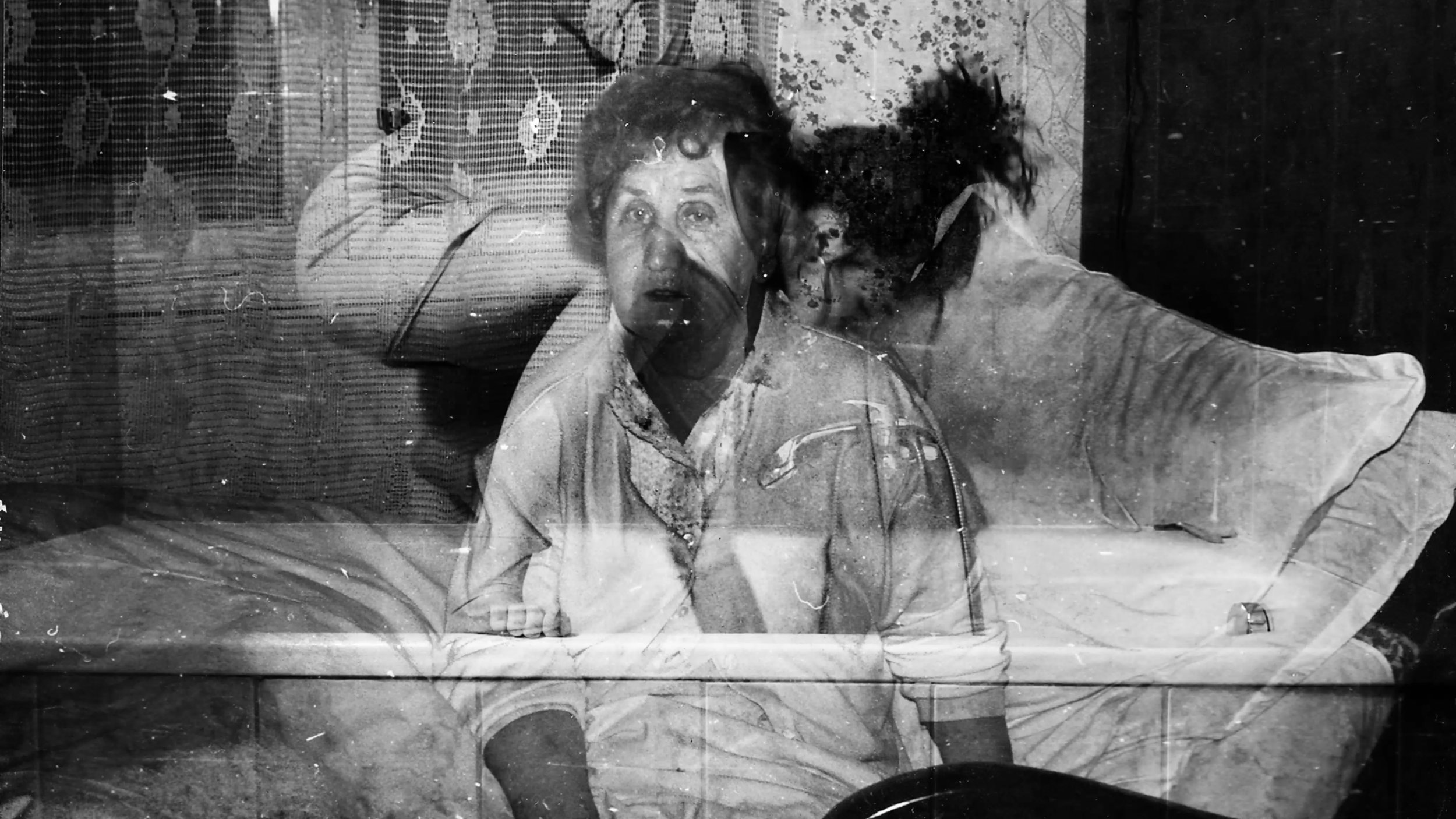
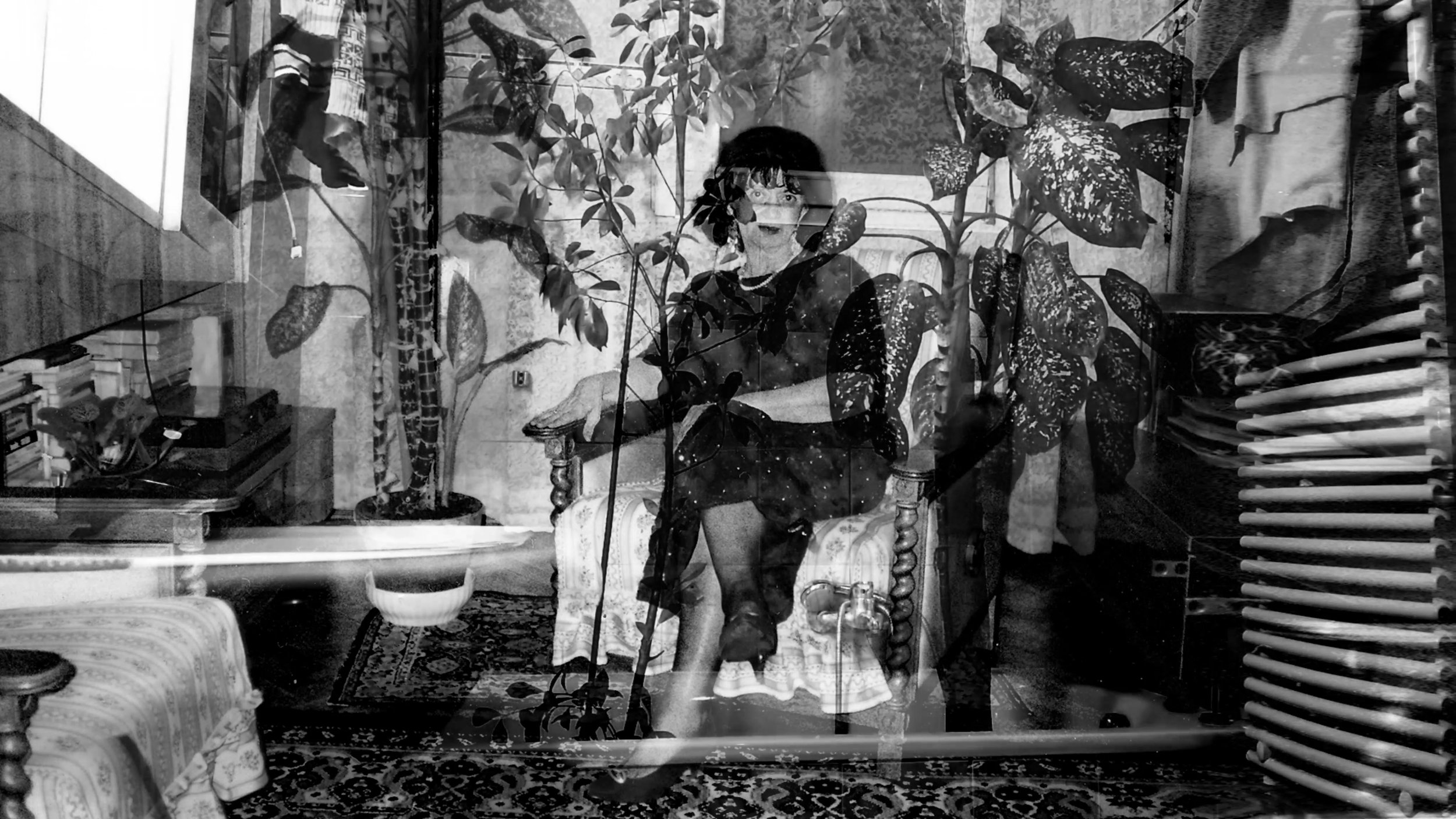
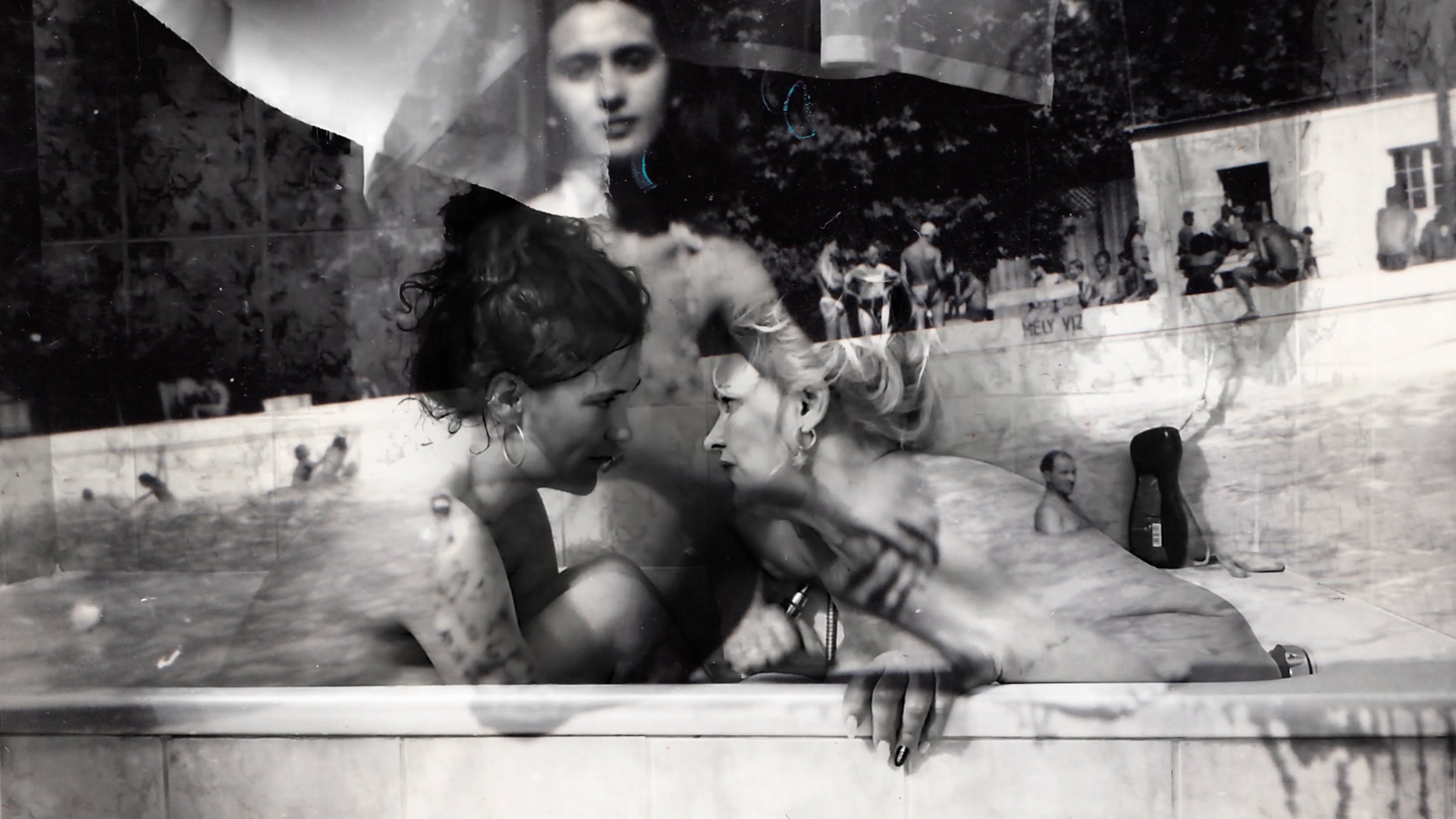
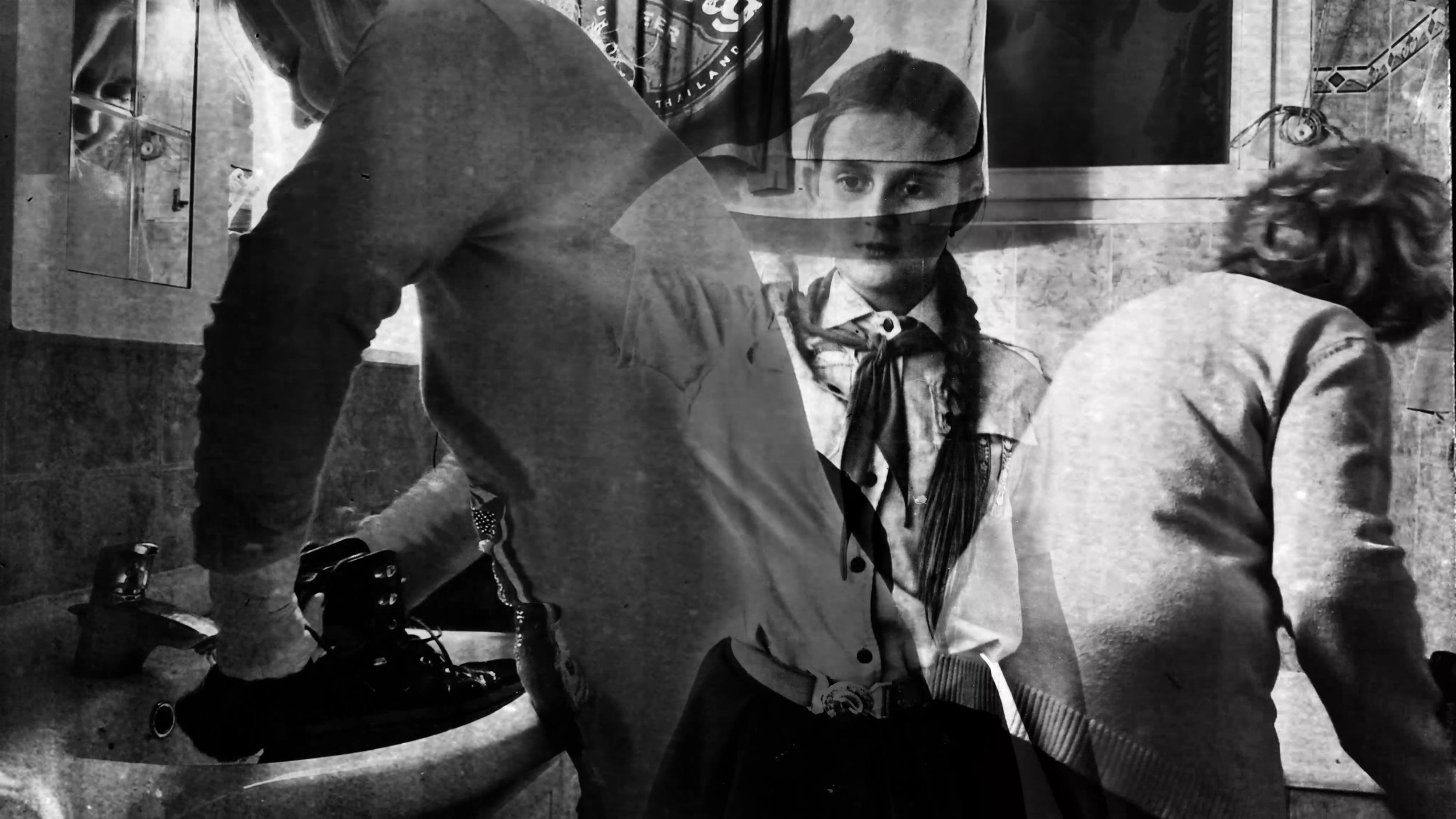
A kád fölött van a fregoli, ide teregetjük a kimosott ruháinkat. Fürdés közben cseppek esnek ránk felülről. Ha a fürdőkádban fekszem nagyanyám és anyám bugyijaival nézek farkaszszemet.
A videó munkában különböző idősíkok reagálnak egymásra, összeégnek, felülíródnak. Nagymamák, dédanyák, anyák és lányok nem csak a fotókon keresztül konfrontálódnak, hanem a szereplők jelen idejükben is egymás arcába ütköznek. Több generációnyi nő közös élettérben mossa a szennyesét, dolgoznak a jelenükön és a múltukon, dolgoznak egymáson.
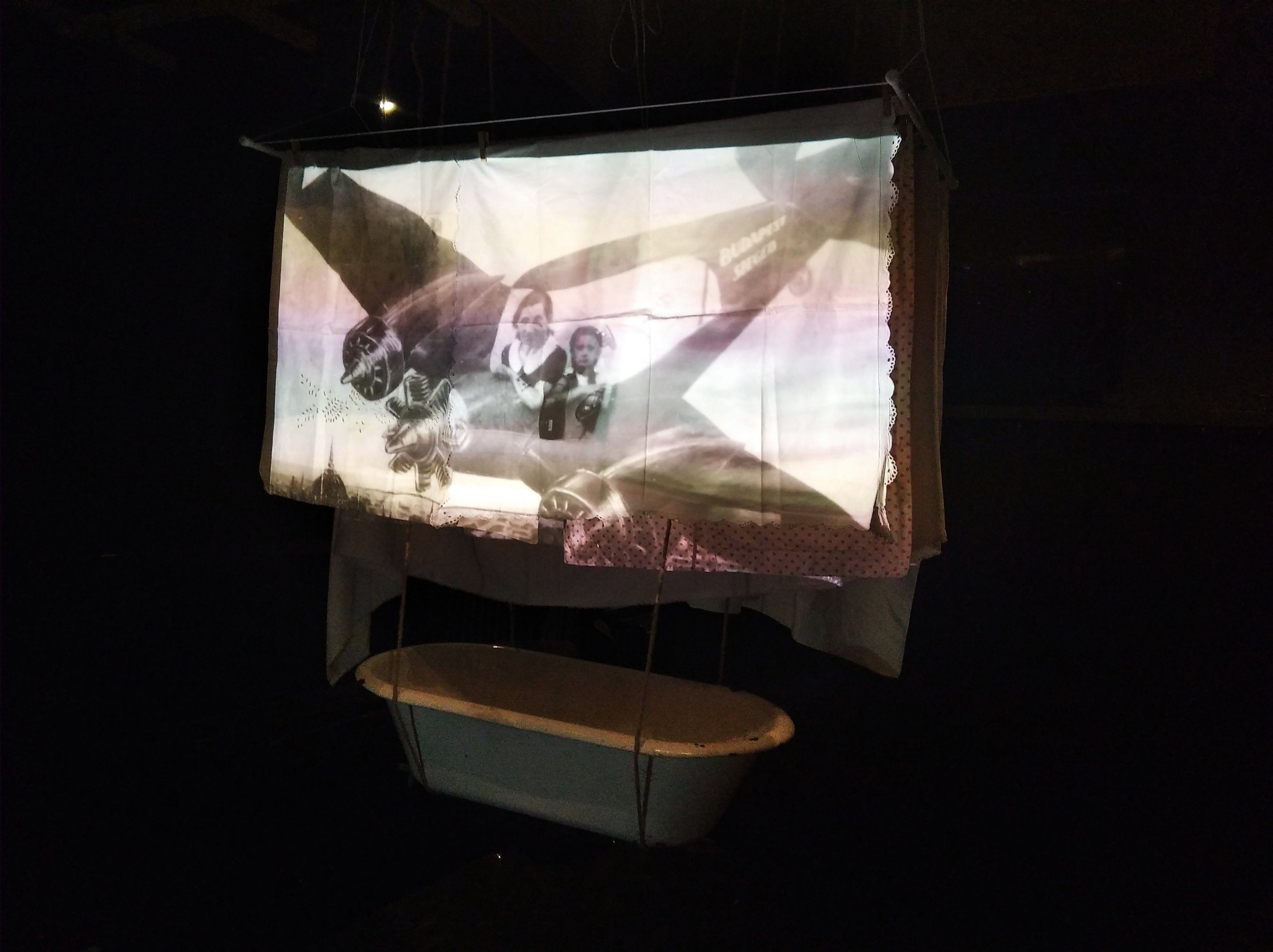
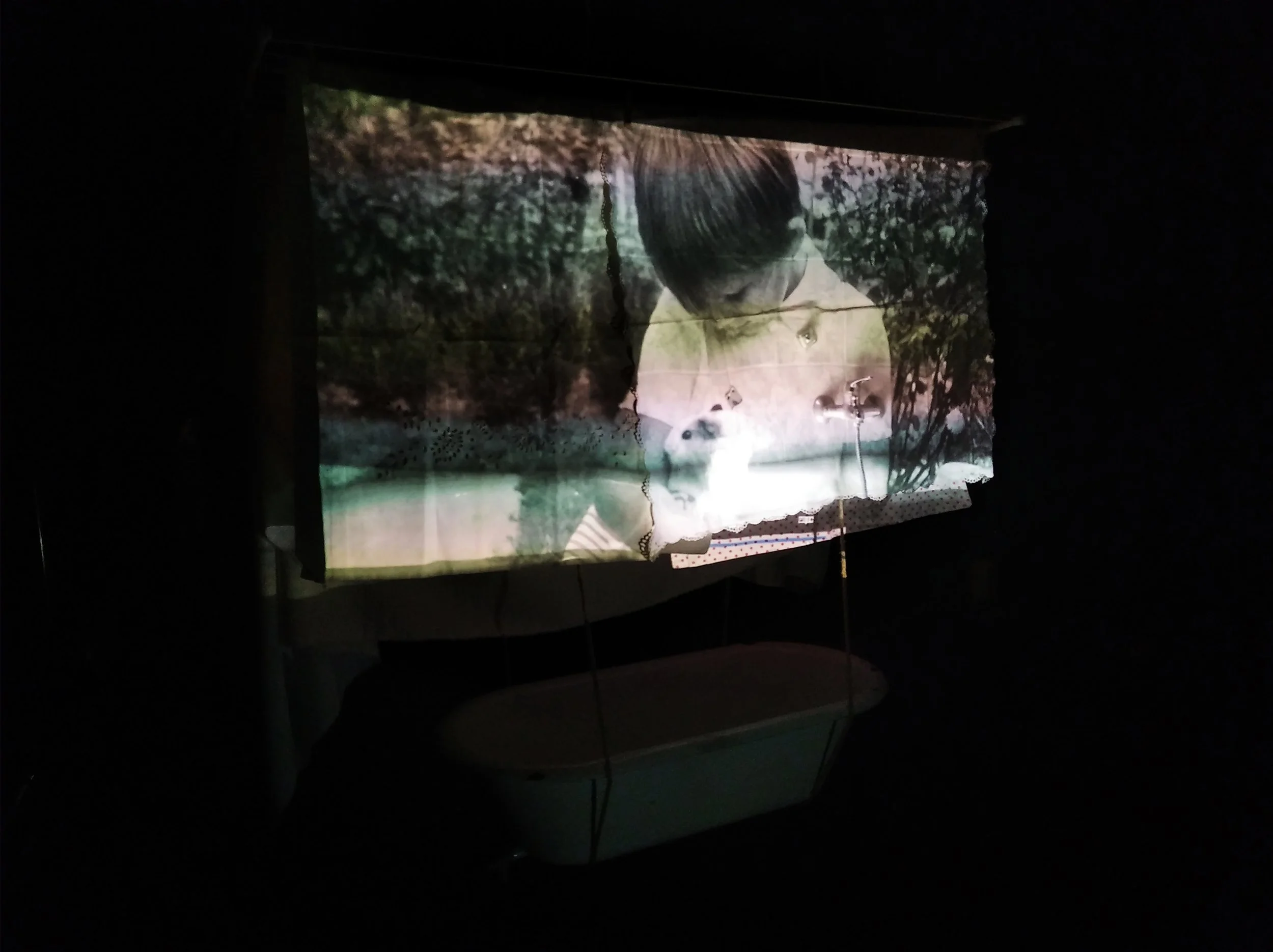
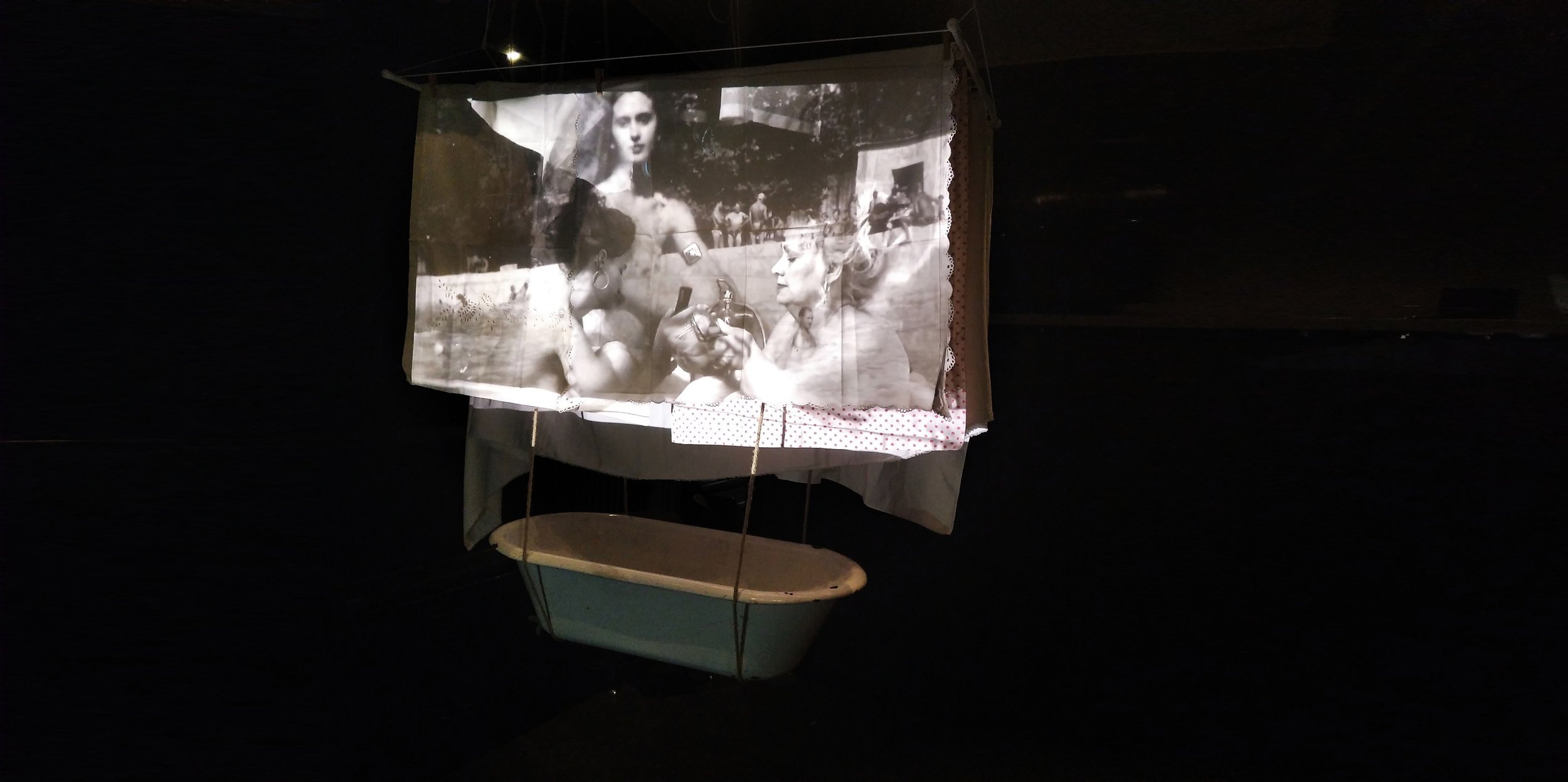
Anyámmal és nagymamámmal fürdőszobai jelneteket rögzítettük. A mama tereget, én anyámmal hol növényt mosdatok, hol a kádban harcolok. A videó installáció formájában egy felfügesztett gyerekkád fölé helyezett fregolira volt vetítve.
————
We have a clothes dryer (fregoli) above the bathtub, where we hang our washed clothes. While bathing, drops fall on us from above. When I lie in the bathtub I stare my grandmother’s and mother’s panties.
In the video different layers of time interact, merge, or overwrite each other. Grandmothers, great-grandmothers, mothers, and daughters confront with each other not only in photographs, but also in the real time. Women from different generations wash clothes in one place, working on the past and the present, working on each other.
With my mother and grandmother we recorded various situations in the bathroom. Grandma hung up our washed clothes, I washed plants or I fighted with my mum at the bathtub. The video was installed above a childbathtub, it was projected to a packed fregoli.